
Water Damage and Flood Restoration Checklist

Scott • August 22, 2022
Abstract waves of red and blue, possibly representing a data visualization.

Share this article

water damage and flood restoration checklist

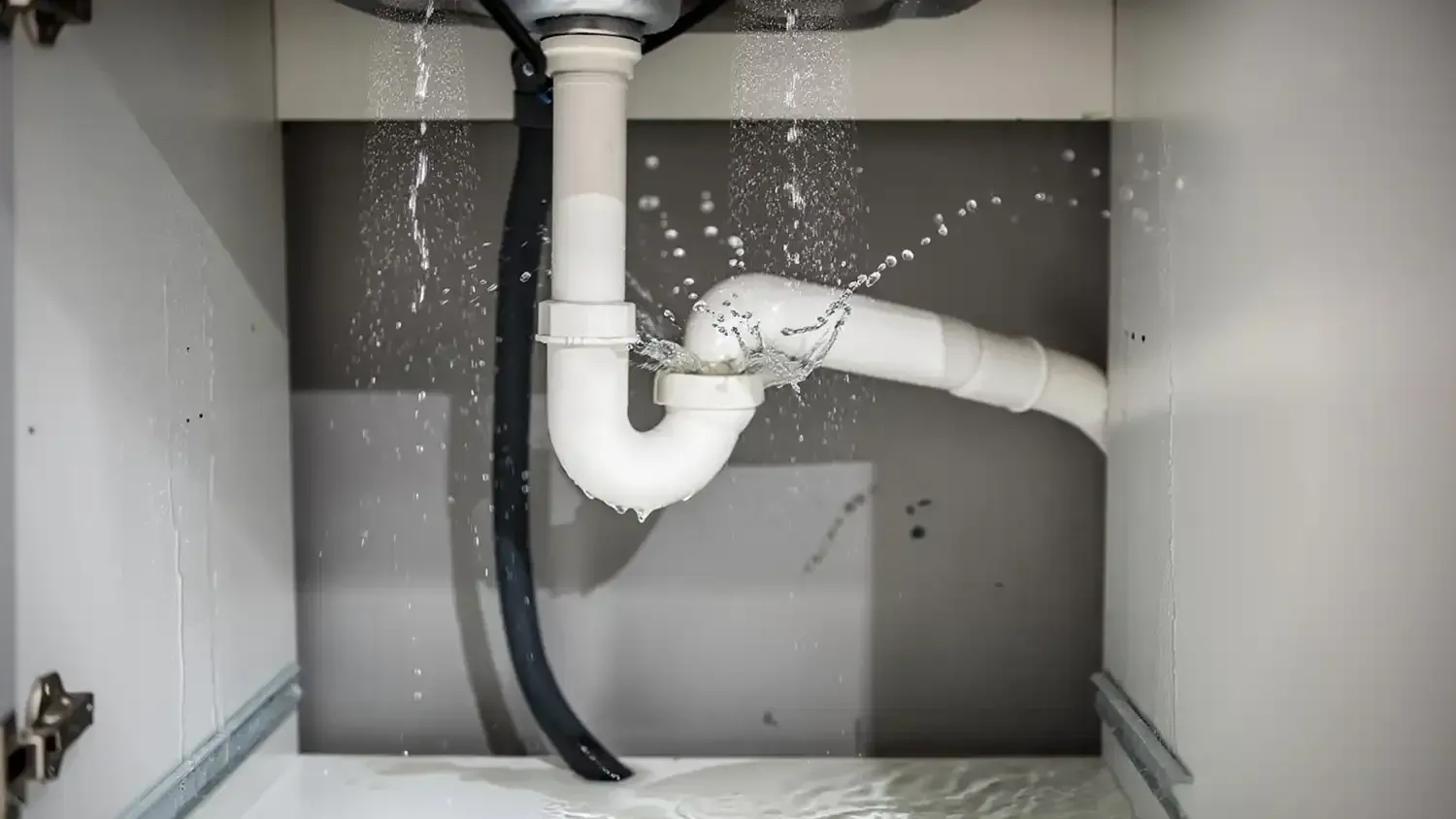
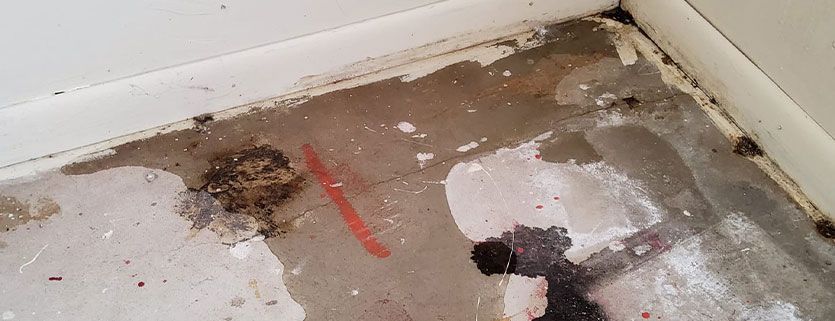
One of the most difficult things to go through as a homeowner is discovering water damage to your home from flooding or a plumbing issue. Personal property is often damaged, and you’re racing against time to save your home and property. Whether the flooding is from storms, a burst pipe, or a natural disaster, flood waters not only damage property, but the water can also seep into the support structure of your home, warping and weakening framing, beams, or floors. The moisture can also cause mold to grow. When you discover a flood, you’ll likely be overwhelmed at what to do first. That’s why we’ve put together a water damage and flood restoration checklist for you so you’re ready if flooding happens in your Draper home.


If you’re experiencing flooding in your home, take action immediately to keep yourself safe. Remove all pets and children. Flood water can include harmful organisms like E. coli and salmonella, so regular handwashing is very important as well. If the flooding is coming from a plumbing issue, contact your local plumber immediately.

1. Call Your Insurance Company

Once you’ve moved you and your loved ones to safety, contact your insurance company. There may be resources available to you through your insurance provider to help. In the event that the loss isn’t covered, they might be able to put you in contact with companies that can provide flood damage cleanup or restoration. There are many plumbing companies that can help with cleanup and restoration as well.

2. Check Your Home’s Structure

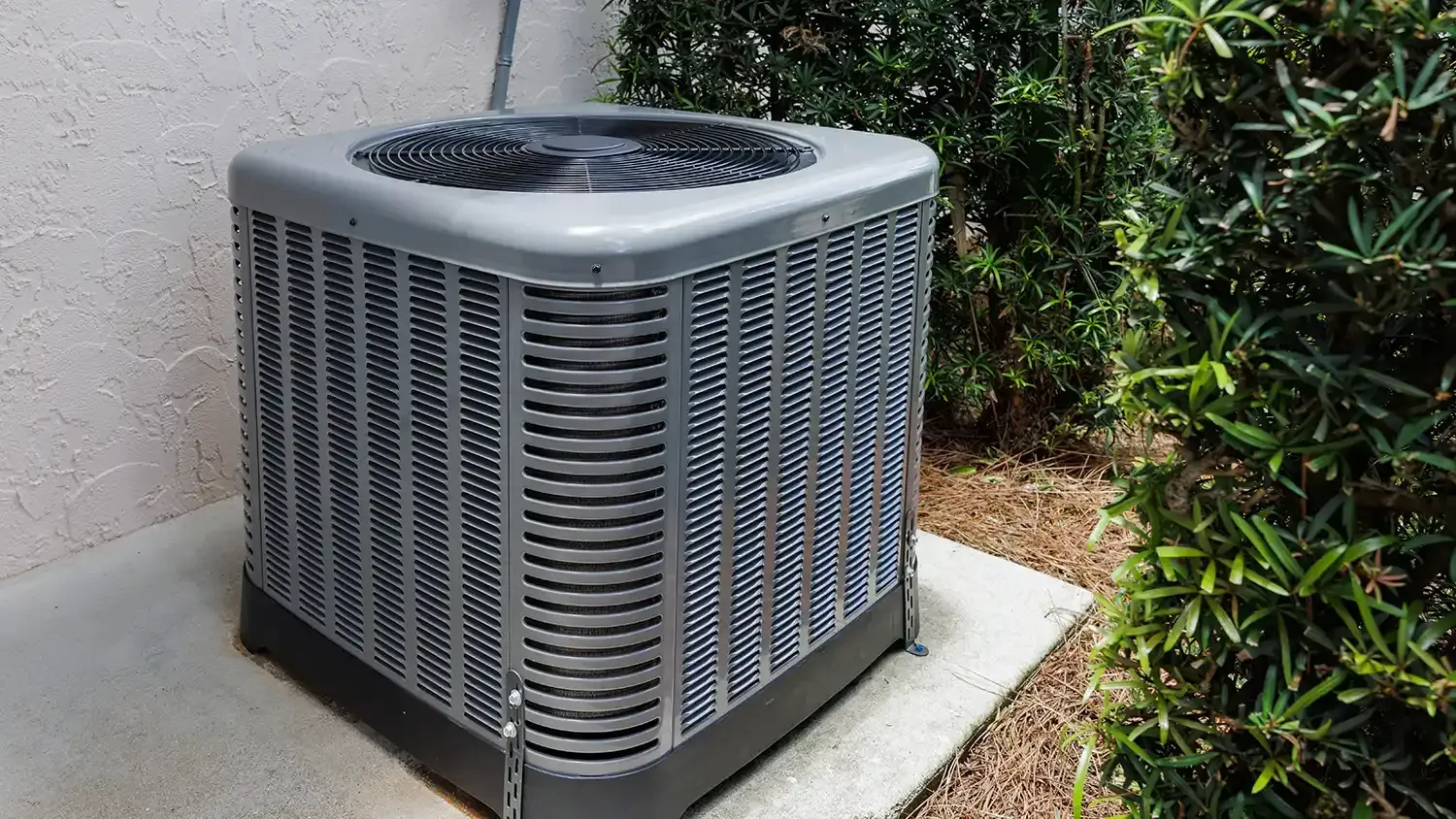
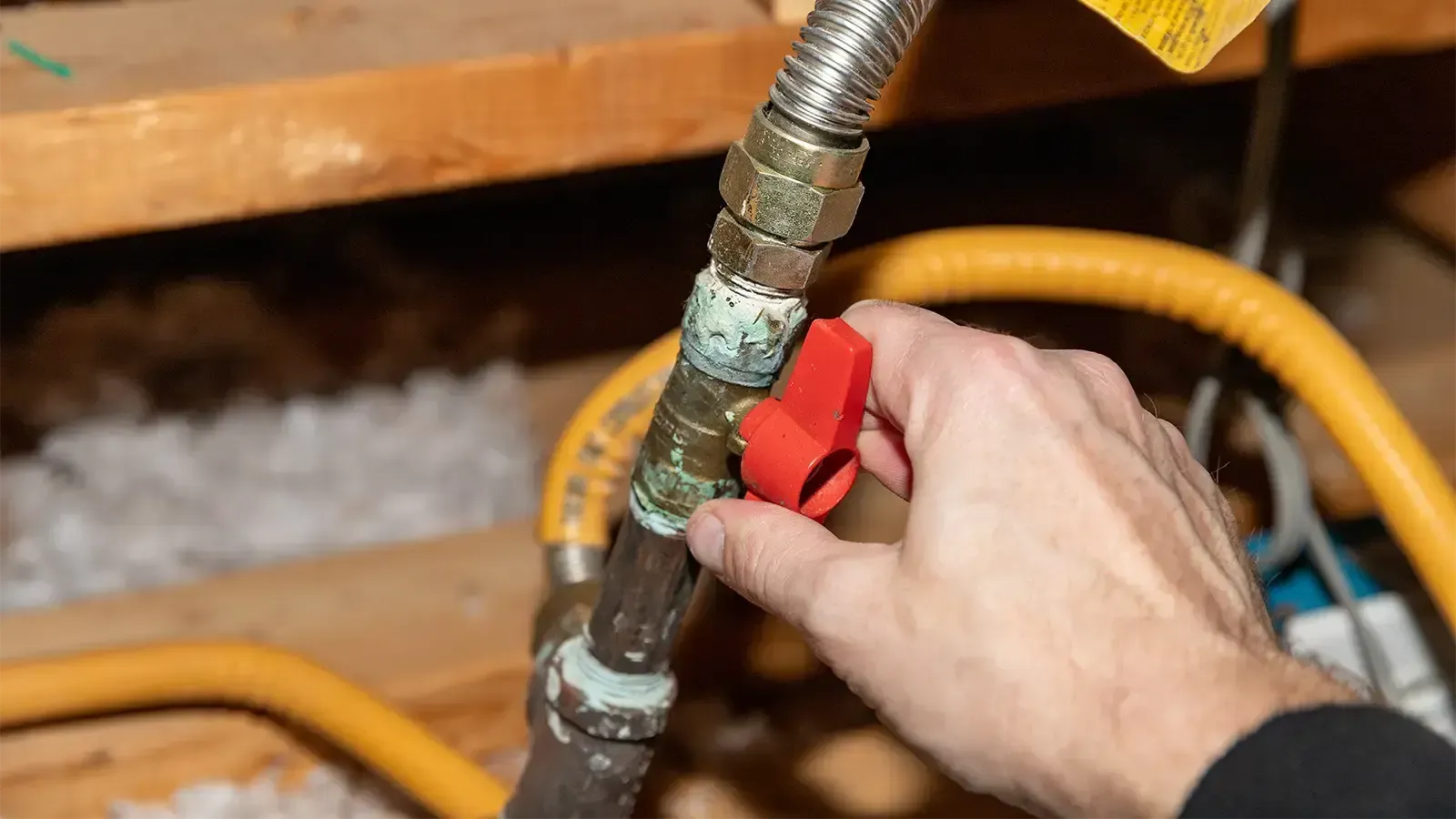
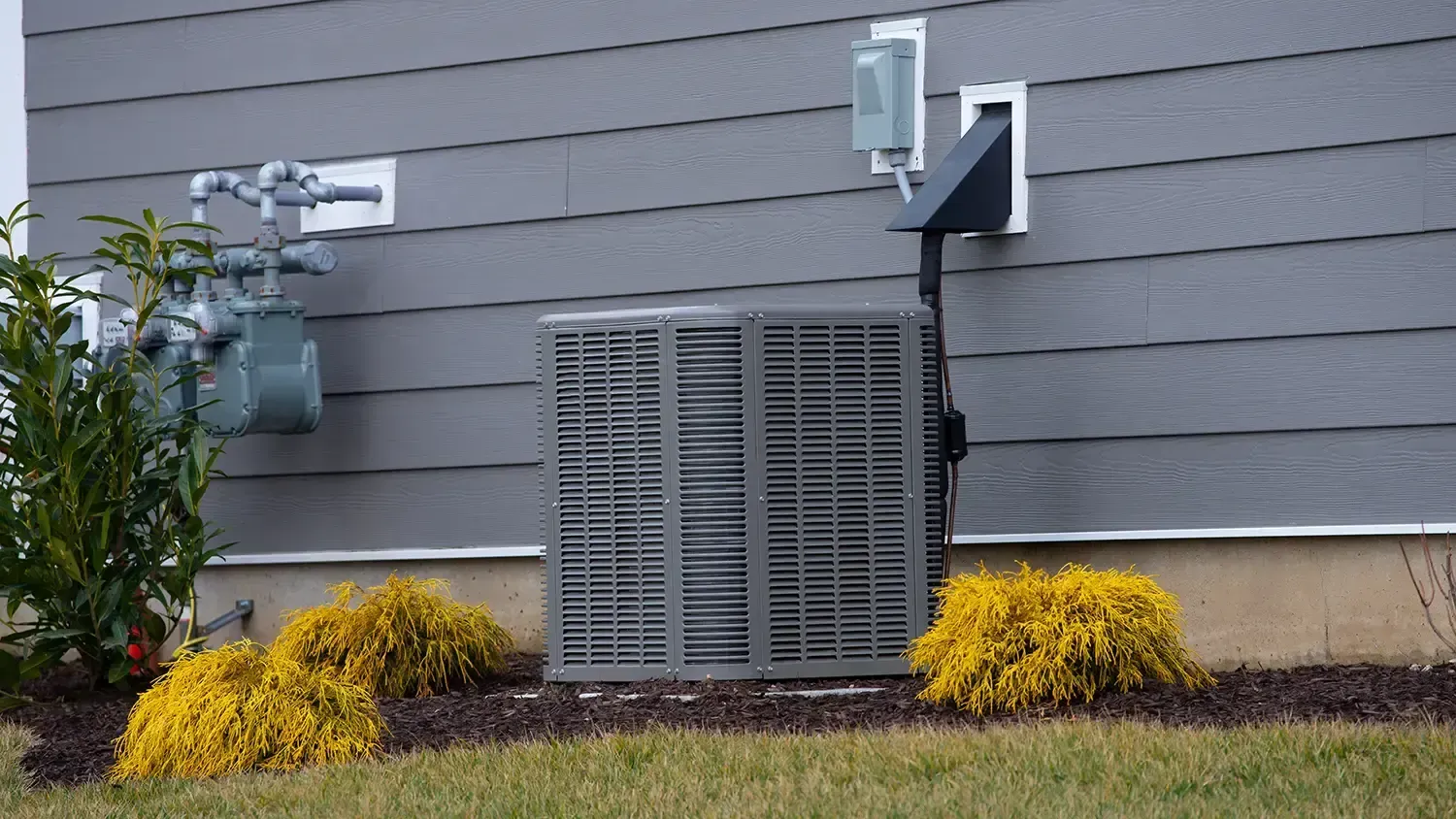
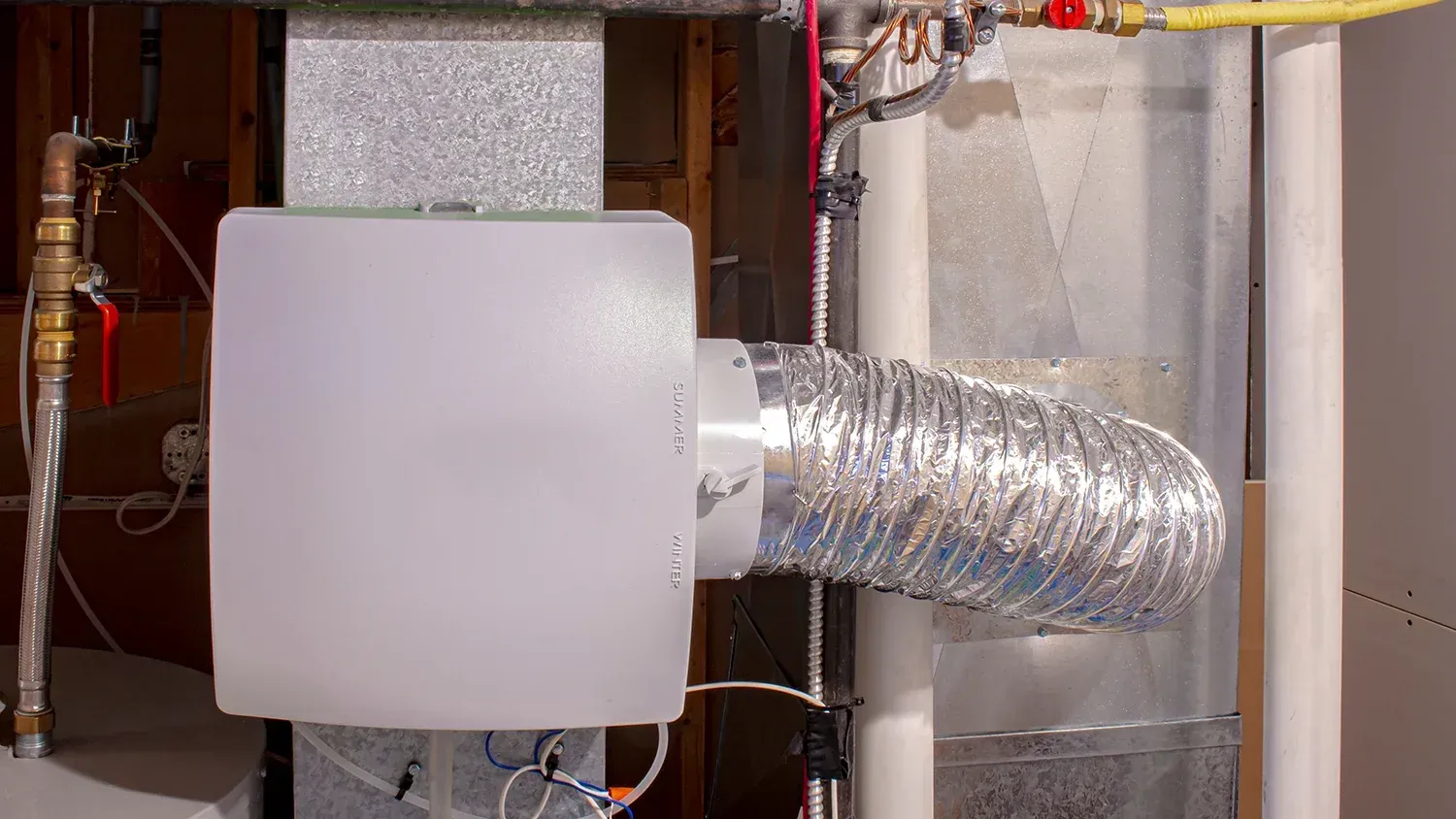
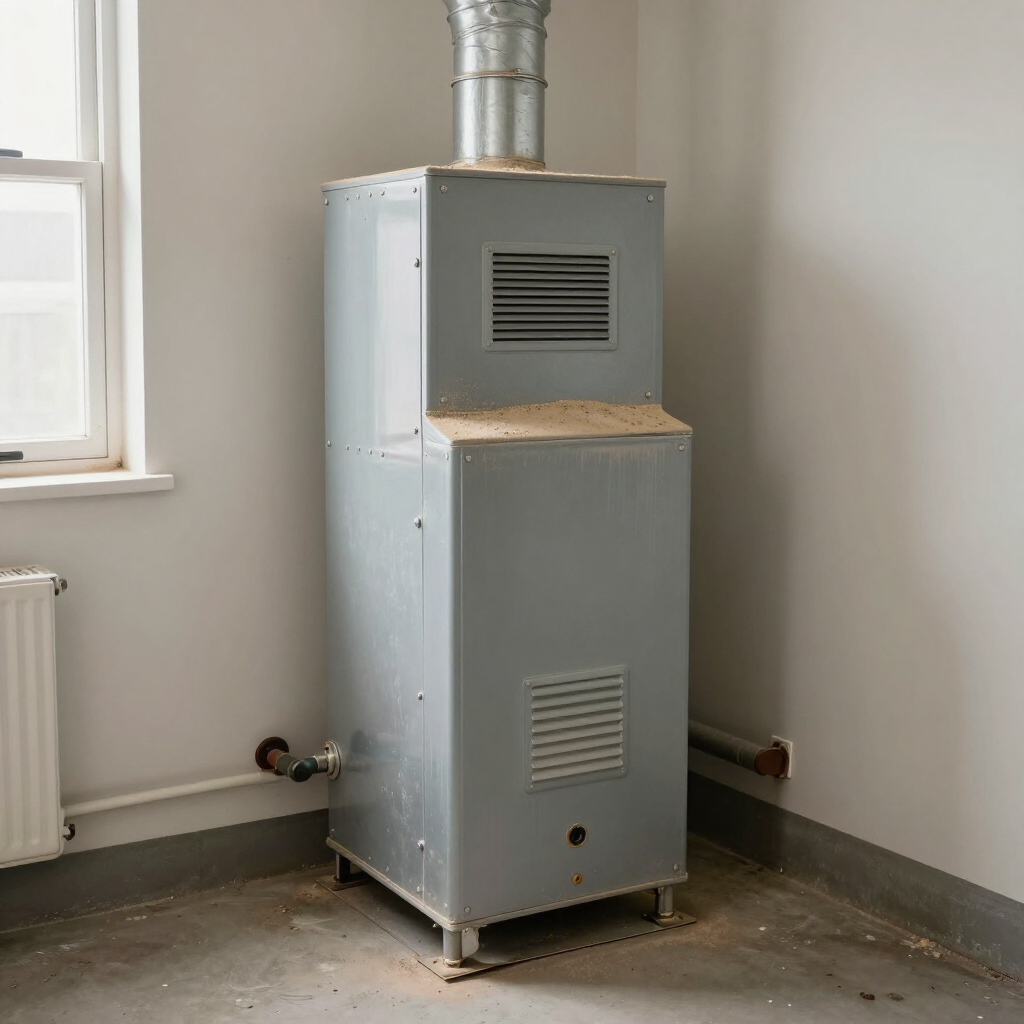
Before you begin any water damage clean up, it’s essential you have your home inspected for any signs of structural damage. As we mentioned earlier, flood water can seep into the wood and materials that support your home. Be sure to check for damage to your drywall, support beams, hardwood floors, staircases, or foundation. You should also inspect your HVAC equipment to ensure it’s not leaking or running. The electrical to your home should be shut off before you enter any standing water to prevent the possibility of electrocution. You should consider contacting an electrician to help with this.

3. Document Damaged Items

Once you’ve determined your home is safe to enter, put on protective gear including gloves, boots, and safety glasses or goggles. Take photos or a video with date and time stamps so you can present these to your insurance company. This includes items like wet furniture, soaked carpets, and soggy personal property. Be sure to include imagery of how high the water rose inside your home—this is often evident on the drywall and will have to be removed at least 2 feet above the waterline in your images.

4. Remove Soaked Items

Any items that are sitting in water should be removed quickly. Some items can be saved and cleaned, but you need to throw out any electronics, books, or furniture that can’t be restored. Take photos and make a log of any personal property that could possibly be covered under your homeowner’s insurance. Your insurance agent should be able to tell you if you’re covered for those items. Any items that can be salvaged should be relocated to a dry area away from your home before you have someone start extracting water from the basement or lower floors.

5. Begin the Initial Cleanup

Cleanup from the damage in your home could be a small or large project. Always wear your protective gear before you begin and consider wearing an N95 mask to protect yourself from airborne contaminants. If your flooding is from a large storm or natural disaster, begin by shoveling mud from hard surfaces. Clear out as much dirt and debris as possible, and spray wash what you can. You should use a heavy-duty detergent and hot water to wash down areas that have dirt stains. Use fans and dehumidifiers to speed up drying time. Once the initial cleanup is finished, mix one quarter cup of bleach with one gallon of water and use the mixture as a disinfectant.

6. Dry Out Your Home

If you’ve only experienced water damage in your home, once you’ve taken out all of your personal items, open all doors and windows to allow airflow into your house. Again, dehumidifiers and fans can help, and a wet vacuum can help speed up the job. These helpful items make clearing rooms of excess moisture much easier. Clean up puddles of water first, move to damp surfaces, then wipe down everything with the mixture of water and bleach we mentioned above.

7. Make a Repair List

Once you get your home cleaned up and the drying process has begun, it’s important you create a repair list of items in your home that need to be fixed or restored. This list can also be used as an inventory of sorts for damaged property or lost items if you file a claim against your flood insurance. Focus on repairs that are structural first, then record other repairs needed. For any plumbing issues that occurred during the flood, contact the best plumber in your area for their opinions for the repairs that need to be addressed.


If the checklist above seems daunting, and you’re feeling overwhelmed, considering hiring a company that deals with water damage clean up or flood remediation. These companies address the destruction after the flood and minimize further damage. Your local plumber, 1st American Plumbing, Heating and Air, can repair the issues or refer you to someone who can. This includes everything from minor repairs to gutting out and repairing rooms in your home. 1st American Plumbing, Heating and Air has the best plumbers who are trustworthy and friendly. There’s a reason we have over 800 5-star reviews! Call us today at (801) 477-5818.

Recent Posts

Tankless Water Heater
By Gravitate One December 17, 2025
Read our blog post about Tankless Water Heaters: The Future of Efficient Water Heating for Your Home. 1st American Plumbing is expert in heating in the SLC valley.
furnace
By Gravitate One December 15, 2025
Need new furnace installation in Salt Lake or Utah County? 1st American Plumbing provides high-efficiency HVAC replacement. Get ready for winter with reliable heat.
broken sewer pipe
By Gravitate One December 5, 2025
Sewer line repair in Salt Lake, Davis, and Weber Counties. We offer expert diagnosis, hydro jetting, and trenchless pipe lining.
blue pipe
By Gravitate One December 2, 2025
Get water line repair in Salt Lake & Utah Counties. We diagnose leaks fast and offer trenchless solutions to protect your home.
Heater installation
By Gravitate One November 3, 2025
Heater installation in Northern Utah: we offer expert installation of furnaces, heat pumps & boilers for home comfort and energy efficiency.
boiler services
By Gravitate One October 30, 2025
Ensure your home's warmth with professional boiler services in Northern Utah. 1st American Plumbing offers maintenance, repair & installation
heater
By 1st American Plumbing, Heating & Air February 26, 2025
Midvale, UT, HVAC experts discuss common indications of a faulty heater needing repair.
dual port manometer and pressure switch tester
By Scott February 26, 2024
Cut utility costs with these easy tips: save on water, heating, and electricity while boosting energy efficiency. Start reducing your bills today!
frozen pipe
By Scott January 22, 2024
Prevent frozen pipes in Utah winter with 6 simple tips. Insulate, seal leaks, let faucets drip, and more to avoid costly repairs. Stay cozy and safe!
plumber at work
By Scott August 23, 2023
Uncover 7 common summer plumbing issues and expert solutions to keep your home running smoothly. From dripping faucets to sewer backups, we’ve got you covered!
Show More