
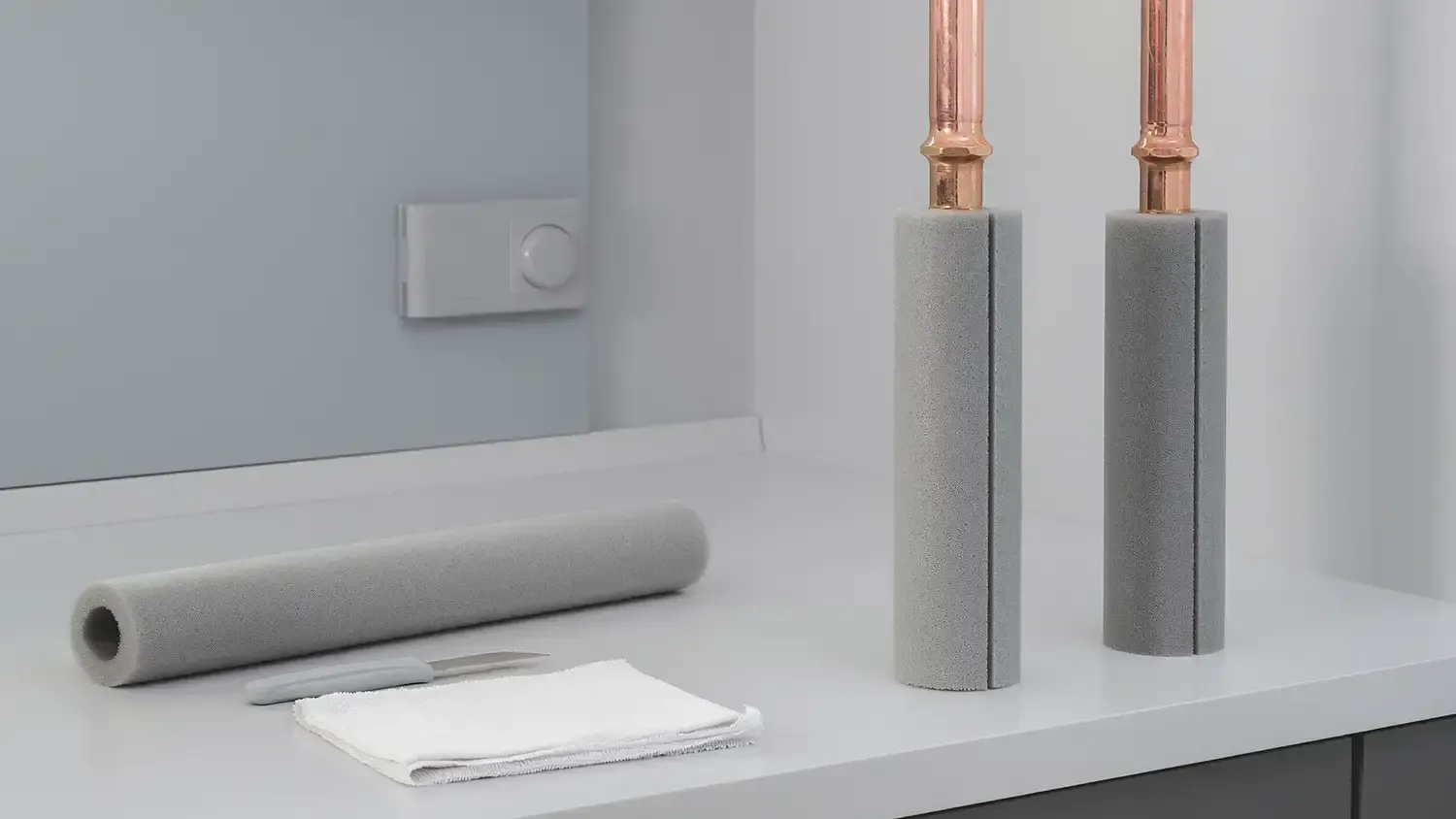
Before you put away the yard tools for the season, take a few minutes to check your outdoor faucets. That hose still connected beside the garage is easy to overlook, and a small drip may need attention before the first freeze. October gives you plenty of time to prepare your plumbing for winter without having to rush on a freezing evening. Whether you are looking for reliable winter plumbing tips or simple preventative steps, start with any plumbing exposed to cold weather. From there, work your way indoors to check for leaks and locate your main water shutoff valve. Here’s a practical checklist to help you get started. 1. Disconnect and Store Your Outdoor Hoses Remove hoses from every outdoor faucet, including the ones you rarely use. Let the water drain from each hose before putting it away. Even frost-free faucets require disconnecting the hose. Leaving a hose attached prevents water from draining properly from the faucet, leaving it vulnerable to freezing and bursting. If you have a separate indoor valve that supplies an outdoor faucet, follow the winterizing instructions for that setup. Some systems need the supply shut off and the outdoor section drained. If you don’t know which valve to use, have a plumber identify it rather than guessing. Once the hose is off, check the faucet for dripping. An insulated cover can provide added protection, but it won’t fix a leaking faucet or replace proper draining. 2. Check Pipes Where Your Home Gets Cold The temperature around your pipes can differ significantly from the setting on your thermostat. For example, pipes running through an unheated garage need far more attention than those inside heated living areas. Walk through the accessible areas of your home and look for: Exposed water pipes in the garage. Pipes in a crawl space or basement that gets cold. Plumbing beneath sinks on exterior walls. Gaps that let cold air reach water lines. Inspect existing pipe insulation for any damage, gaps, or uncovered sections. Both hot and cold water lines require protection, and any insulation used should be specifically designed for plumbing applications. Insulation helps slow heat loss, but it cannot keep a pipe warm indefinitely in a freezing space. If a pipe has frozen in a previous winter, ask a plumber to look at the underlying cause. Adding another layer of insulation may not be enough. 3. Address Leaks Before Covering or Insulating Pipes A fall plumbing check is the perfect time to fix minor issues you may have noticed. If you have been placing a container beneath a dripping pipe or faucet, address the repair before freezing weather sets in. Look beneath sinks after running the water. Check the cabinet floor and visible connections for fresh moisture. An old stain doesn’t necessarily mean there’s an active leak, but moisture that returns needs attention. Outside, make sure faucets stop dripping after you turn them off. Have a leaking fixture checked before covering it for winter. A running toilet is also worth fixing promptly. While it may not freeze, the wasted water raises your utility bill and makes other water-use anomalies harder to spot. If you keep finding moisture without an obvious source, our plumbing team can help identify what needs repair. 4. Find Your Main Water Shutoff Knowing where your main water shutoff valve is located allows you to react quickly during a pipe emergency. Locate it now so you are prepared before an urgent leak occurs. Start near the point where the water supply enters your home. The valve may be along a basement foundation wall or in a utility area. Make sure it controls the whole home rather than just the water heater or an individual fixture. Once you’ve identified it: Clear away anything blocking access. Label it so it’s easy to recognize. Show other adults in the household where it is. Make sure you understand how it operates. If the valve is corroded or difficult to move, don’t force it. Ask a plumber to check whether it needs service. A shutoff should be accessible and usable when you need it. 5. Follow Up on Unexplained Water Changes Preparing for winter is also a good reason to investigate a change you’ve been meaning to ask about. Pay attention to: Water pressure that has dropped at several fixtures. A higher water bill without an increase in use. A patch of yard that stays wet when the surrounding ground is dry. Discolored water that persists or keeps returning. While these symptoms indicate a potential problem, they do not automatically mean your main water line is damaged. For instance, low flow at a single fixture may simply be caused by a clogged aerator, whereas widespread pressure loss requires a comprehensive inspection. Note when the problem started and whether it affects one fixture or several. That information can help a plumber narrow down the cause. If the concern points to a supply-line problem, our Water Line Repair & Install service can help determine what’s happening. An inspection comes before deciding whether a repair or replacement is needed. 6. Plan for Cold Nights and Winter Travel Once you’ve handled your fall checklist, a few habits can help protect plumbing during colder weather. Keep garage doors closed if water pipes run through the space. During severe cold snaps, opening cabinet doors beneath sinks allows warm indoor air to circulate around vulnerable plumbing. Be sure to move household cleaning products out of reach of children and pets before leaving cabinets open. If you’re traveling, leave the heat on. The American Red Cross recommends a thermostat setting no lower than 55°F while you’re away. Your home may need a higher setting if some plumbing sits in colder areas. For a longer trip, arrange for someone to check the house, especially during a cold snap. Ask them to confirm that the heat is working and look for any visible leaks. What If You Suspect a Frozen Pipe? If a faucet suddenly produces very little water during freezing weather, a frozen pipe is one possible cause. Don’t use an open flame to try to thaw it. If you cannot locate the frozen section or safely access it, call a plumber. If a pipe breaks or water is actively spreading, shut off the main water supply if you can reach it safely. Stay out of standing water near electrical equipment and request Emergency Plumbing Repair . Take Care of the Small Jobs Before Winter You don’t have to tackle every plumbing task at once. Start by disconnecting your hoses, then check the areas where pipes are exposed to cold. Knowing how to prepare plumbing for winter in Salt Lake County starts with these simple steps: locate your shutoff valve and follow up on any leaks you find along the way. At 1st American Plumbing, Heating & Air, we provide winter plumbing tips across Salt Lake County to help homeowners address plumbing concerns before winter. If you find a leak or have questions about protecting a vulnerable pipe for winter plumbing in Salt Lake County, contact our plumbing team . We can help you figure out what needs attention before temperatures drop.
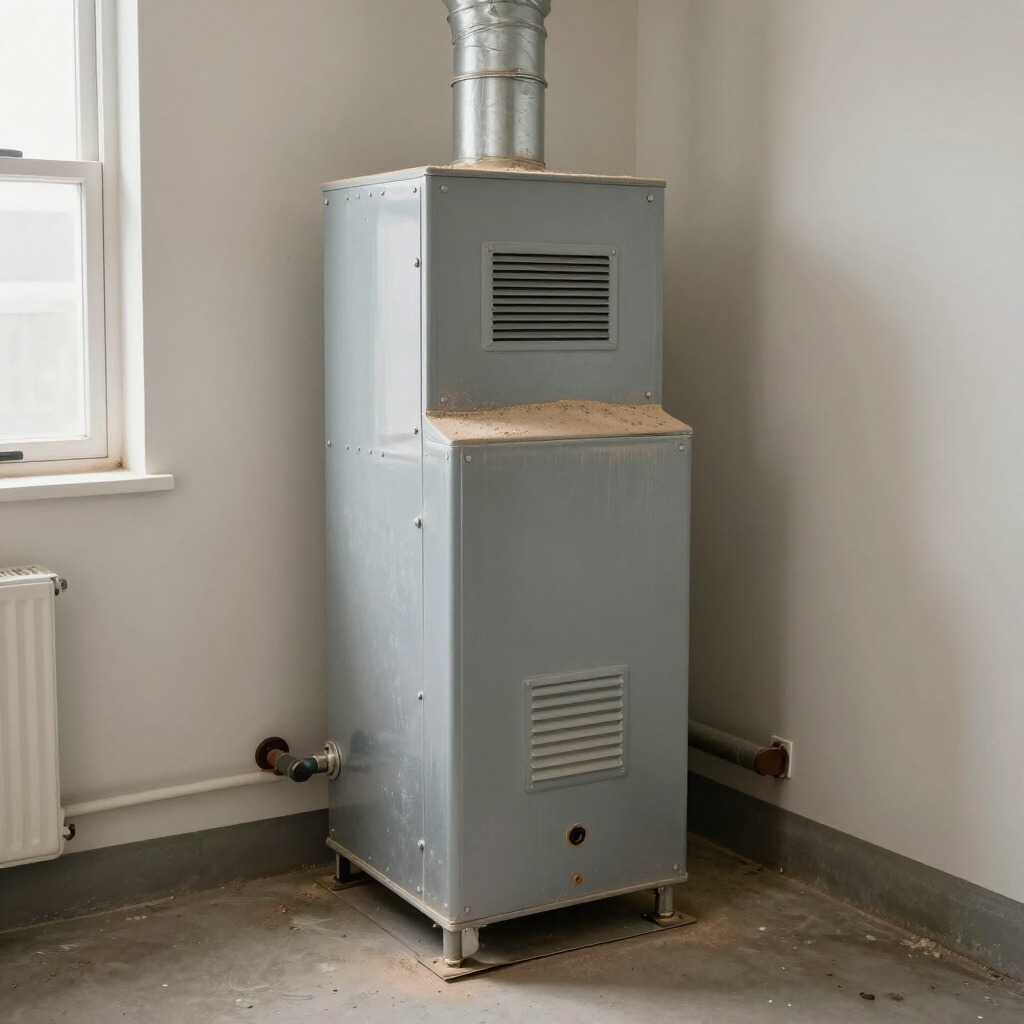
Start your furnace early in the fall so you aren't caught off guard when winter cold hits. Tune ups and repairs are a lot easier before it's an emergency.
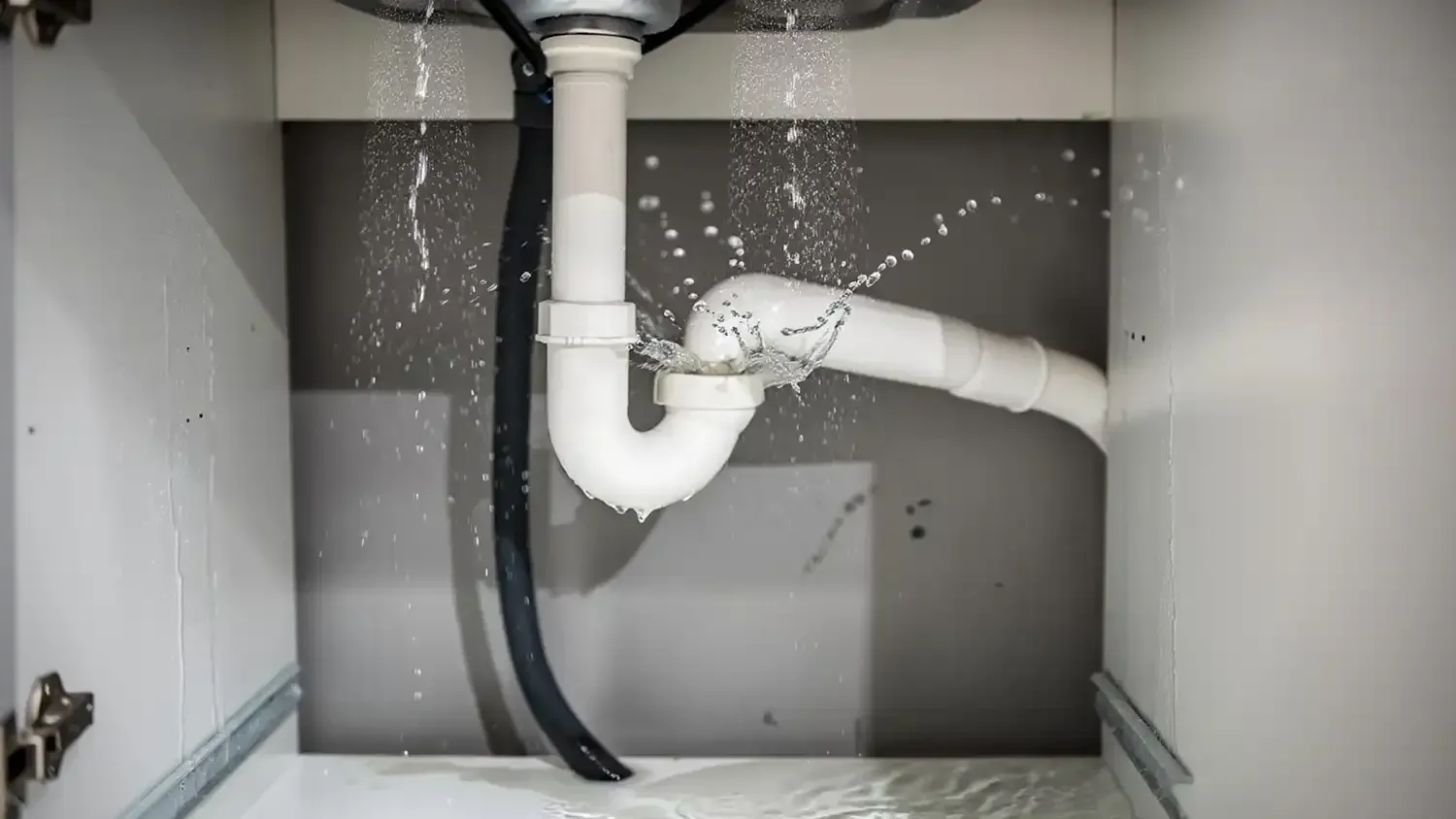
Need emergency plumbing repair in Salt Lake Valley? 1st American Plumbing offers 24/7 reliable service for homes and businesses. Protect your property now!
Facing a cooling failure? Trust 1st American Plumbing for fast, reliable emergency AC repair in Utah. We'll restore your comfort and protect your system.
Suspect a leak? Learn the signs you need gas line repair to keep your Utah home safe. Trust 1st American Plumbing for expert, reliable gas line services.
Get the ultimate checklist for a flawless AC installation this summer. Learn about timing, preparation, technical steps, and maximizing efficiency.
Protect your business from costly disruptions with professional commercial plumbing services. 1st American Plumbing offers 24/7 emergency repairs.
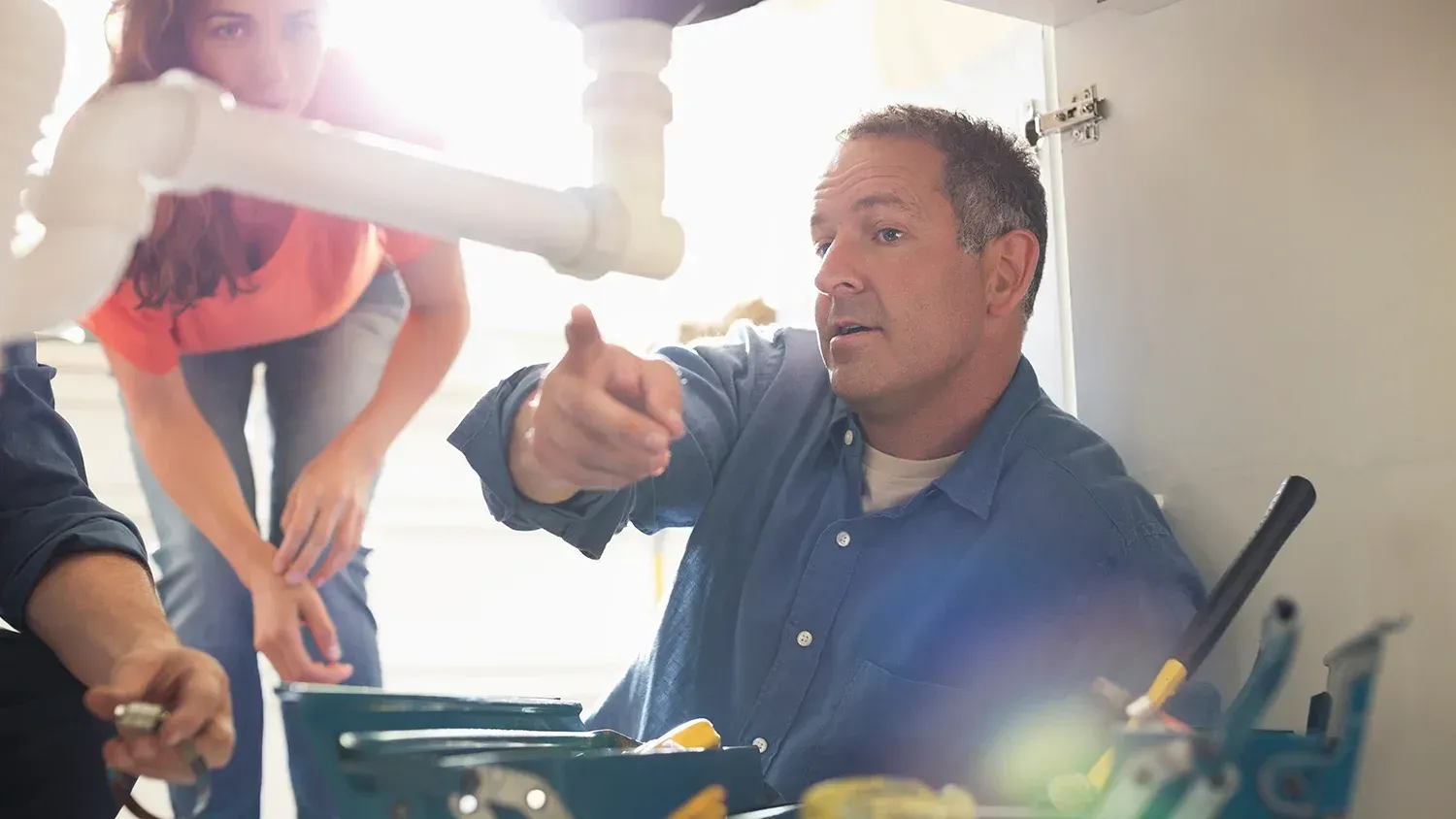
Facing a plumbing crisis? Follow these crucial steps before calling for emergency plumbing repair to minimize water damage and protect your property.
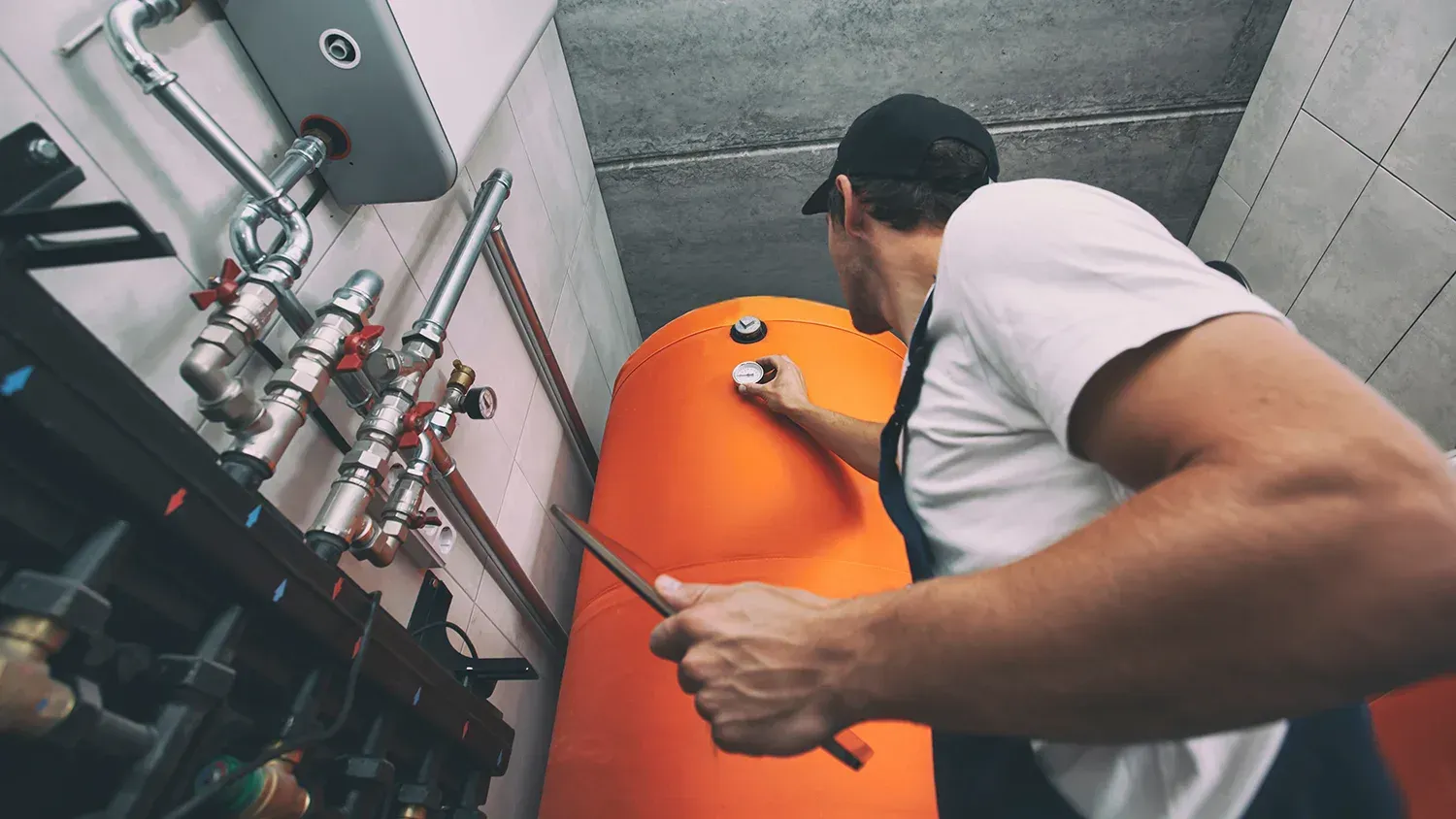
Get professional heat pump services you can trust. 1st American Plumbing offers expert installation, repair, and maintenance for year-round home comfort.
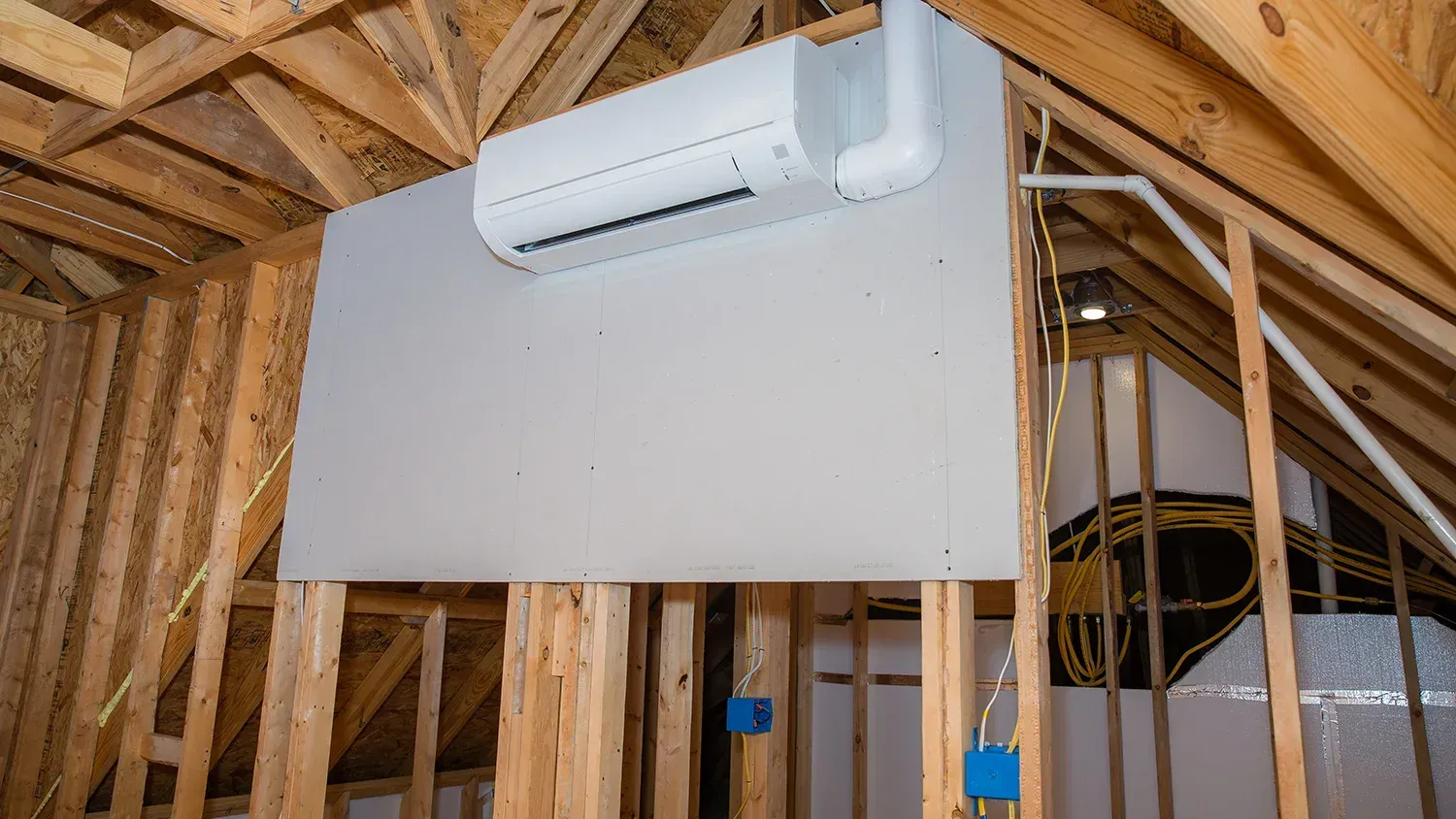
Discover the benefits of Ductless Mini Split Systems for your home. Get energy efficiency, zoned control, and cleaner air with 1st American Plumbing.