
5 Types of Water Softeners

Scott • August 22, 2022
Abstract waves of red and blue, possibly representing a data visualization.

Share this article

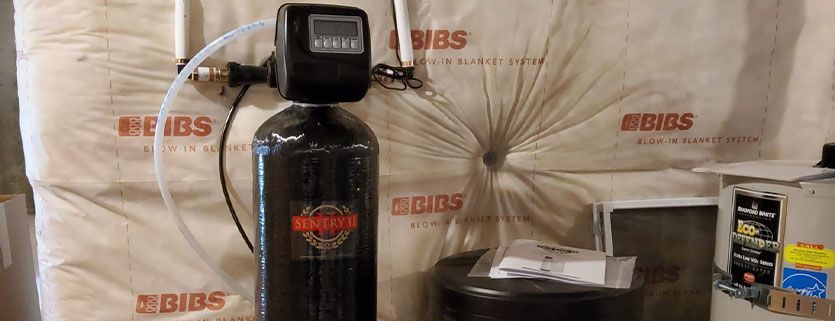
water softener tank

If you’ve ever experienced taking a shower or a bath in a home with a water softener, you can instantly tell that the water is silky and soft. There are many benefits of using soft water over hard water, but most homes have hard water, and the hard minerals that are in the water contribute to soap scum and deposits inside of pipes, causing low water flow. So why doesn’t everyone have a water softener? One reason could be because there are so many types of water softeners to choose from. How do you know which water softener is best for your home? To help you decide, we’re discussing 5 types of water softeners below to help you understand the pros and cons of each.

How Water Softeners Work

Before we discuss the 5 types of water softeners, let’s go over how water softeners work. Hard water is full of heavy minerals, and water softeners draw out those minerals from the water through an ion exchange process. Some can neutralize those minerals, which means your water will be clear of calcium, iron, magnesium, and other minerals. Your water is much softer, silkier, and gentler on your skin and hair.


Now that you understand how water softeners work, let’s discuss the 5 types of water softeners available to homeowners.

1. Salt-Based (Ion-Exchange) Water Softeners

Salt-based water softeners are the most common type of water softener. These salt-based softeners come in many different sizes for different needs and supply soft water to the entire home. Inside, a resin pulls the calcium and magnesium from the water and substitutes sodium ions for those minerals through a process called ion-exchange. One negative thing about a salt-based water softener is that you’ll have to consistently purchase bags of salt and upkeep the system weekly.


These salt-based systems remove the hard water causing minerals, but not really anything else. If your water contains bacteria or chemicals, this salt-based softener won’t remove it. The resin will last for many years, and when it runs out, it will be low cost to replace it. Homeowners like this option for that reason.

2. Salt-Free Water Softener

If you don’t want to upkeep your water softener on a weekly basis, then a salt-free system may be for you. These types of water softeners neutralize hard minerals from the water rather than remove them completely with the use of salt. A salt-free water softener is typically more expensive up front, but they are less to maintain since you won’t be purchasing bags of salt nor doing upkeep on the system on a weekly basis. An advantage of a salt-free softener is that they take up less space than salt-based systems. Since you don’t have to have an additional tank to take care of brining and draining, you use up less room in your home.


Another advantage of this type of system is that it typically uses a multi-stage filtration process. This process not only neutralizes minerals, but it also removes unwanted bacteria and chemicals from the water.

3. Reverse Osmosis Water Softeners

Some homeowners don’t see a reverse osmosis system as a water softener. This is because they strip water of all substances, including minerals like magnesium and calcium, which cause hard water. These systems can often feature multiple steps to re-introduce healthy minerals into the water to inject into your drinking water.


The reverse osmosis water softeners generally fit under the sink and often use their own faucet so you can have purified, soft water to drink. Because of this, it’s important to note that these types of systems only provide soft water to this one faucet, not throughout the entire home.

4. Magnetic Water Softeners

Newer on the market, magnetic water softeners are marketed as an alternative to water softeners because they don’t remove water’s hard minerals. Like salt-free water softeners, these magnetic water systems neutralize hard minerals to stop them from merging together. These systems give you all the benefits of soft water, but they are considered to be more affordable.


Magnetic water softeners are easy to install, with no pipe cutting required. To install, you simply wrap them around existing pipes and the magnetic field conditions the water that passes through your plumbing. Just wire them into your home’s electrical system and you’re good to go.

5. Showerhead Water Softeners

As you can guess, the systems we’ve mentioned above are more expensive than our 5th option—showerhead water softeners. Some homeowners just can’t afford this type of investment. If you’re looking for a silky-smooth shower, and you’re not interested in a house-wide system, then a showerhead softener may be for you.


To install a showerhead water softener, you only need to unscrew your old showerhead and screw the new one on. These systems use cartridge filters that conditioner the water and remove hard water minerals and more. Some of these softeners also come with vitamin filters that fortify the water with additional vitamins or even scents. Read the packaging when you purchase one of these systems to be sure you understand what the cartridge consists of.


Whatever the reason you are thinking of adding a soft water system to your home, it’s important you consider all of your options in water softeners. Your local, trustworthy plumber can help answer any questions you may have and help you determine the best system for you and your home. Contact 1st American Plumbing, Heating and Air to schedule a time for one of our certified plumbers to inspect your water system and give you an estimate on one of these soft water systems listed above. Contact us at (801) 477-5818 or fill out this form and we’ll contact you as soon as we can.

Recent Posts

Tankless Water Heater
By Gravitate One December 17, 2025
Read our blog post about Tankless Water Heaters: The Future of Efficient Water Heating for Your Home. 1st American Plumbing is expert in heating in the SLC valley.
furnace
By Gravitate One December 15, 2025
Need new furnace installation in Salt Lake or Utah County? 1st American Plumbing provides high-efficiency HVAC replacement. Get ready for winter with reliable heat.
broken sewer pipe
By Gravitate One December 5, 2025
Sewer line repair in Salt Lake, Davis, and Weber Counties. We offer expert diagnosis, hydro jetting, and trenchless pipe lining.
blue pipe
By Gravitate One December 2, 2025
Get water line repair in Salt Lake & Utah Counties. We diagnose leaks fast and offer trenchless solutions to protect your home.
Heater installation
By Gravitate One November 3, 2025
Heater installation in Northern Utah: we offer expert installation of furnaces, heat pumps & boilers for home comfort and energy efficiency.
boiler services
By Gravitate One October 30, 2025
Ensure your home's warmth with professional boiler services in Northern Utah. 1st American Plumbing offers maintenance, repair & installation
heater
By 1st American Plumbing, Heating & Air February 26, 2025
Midvale, UT, HVAC experts discuss common indications of a faulty heater needing repair.
dual port manometer and pressure switch tester
By Scott February 26, 2024
Cut utility costs with these easy tips: save on water, heating, and electricity while boosting energy efficiency. Start reducing your bills today!
frozen pipe
By Scott January 22, 2024
Prevent frozen pipes in Utah winter with 6 simple tips. Insulate, seal leaks, let faucets drip, and more to avoid costly repairs. Stay cozy and safe!
plumber at work
By Scott August 23, 2023
Uncover 7 common summer plumbing issues and expert solutions to keep your home running smoothly. From dripping faucets to sewer backups, we’ve got you covered!
Show More