1st American Plumbing, Heating & Air
Professional Heater Installation & Replacement in Utah

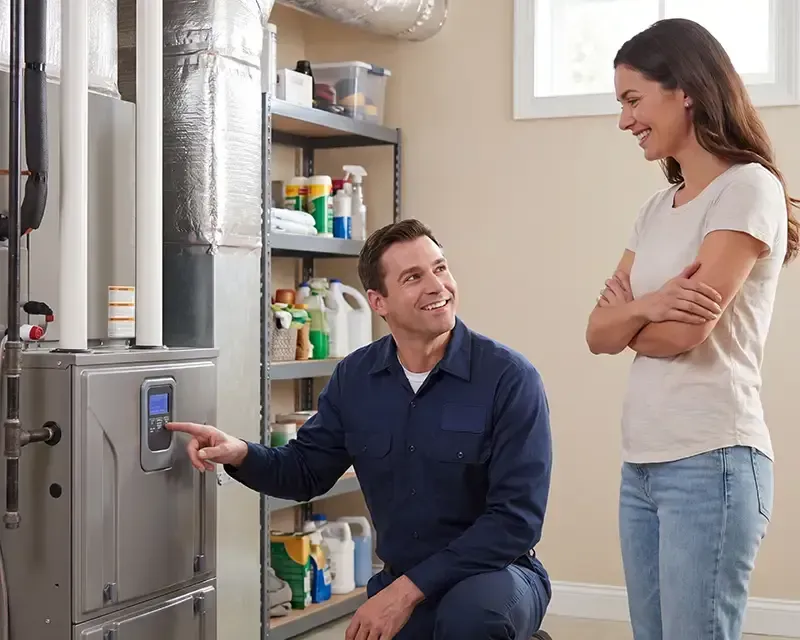
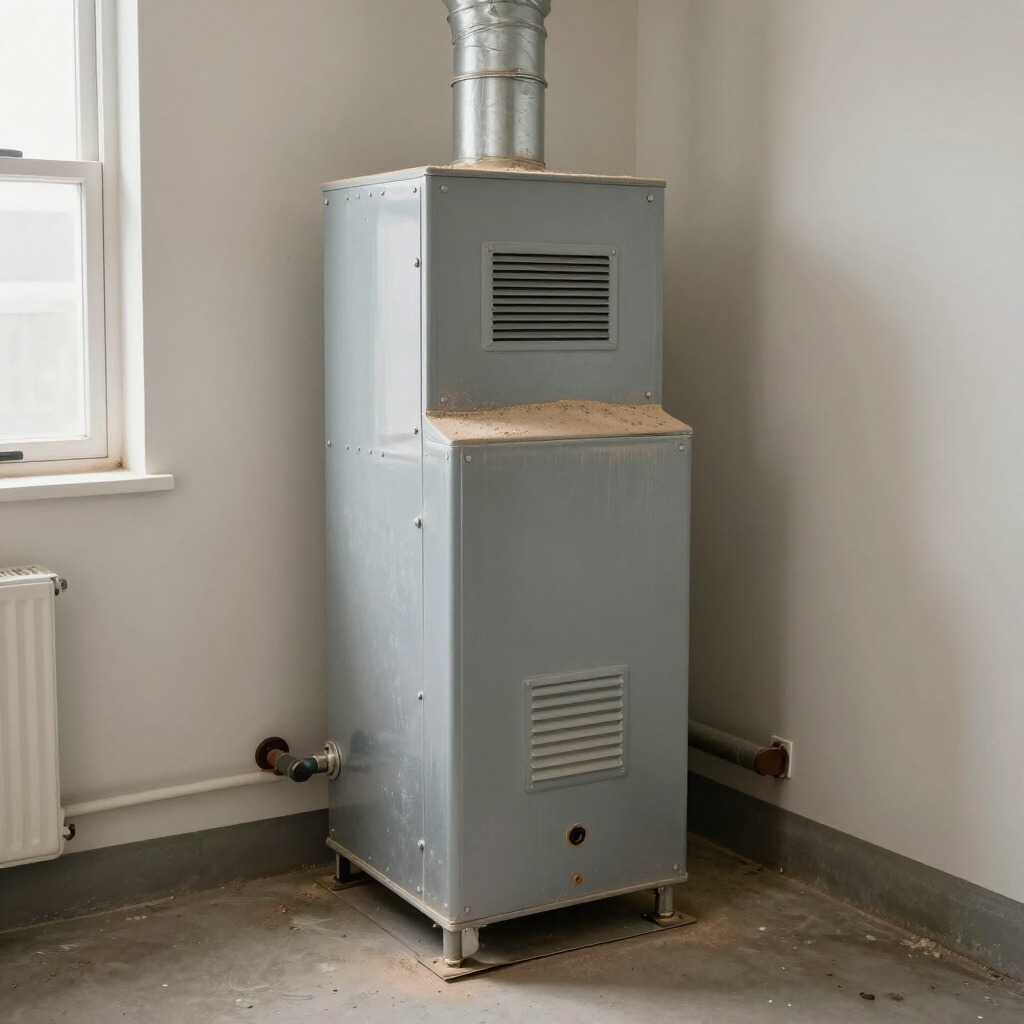
An aging heater can make Utah winters less comfortable, especially when rooms heat unevenly or repairs become more frequent. If you are considering replacing your equipment, the first step is finding out what your home actually needs, not simply ordering the same model again.
1st American Plumbing, Heating & Air helps homeowners across the Wasatch Front, including South Jordan, Herriman, and Midvale, plan heater installation and replacement. Our team can assess the existing heating setup, discuss suitable options, and explain the installation work before you make a decision.

When Should You Consider Replacing Your Heater?
Not every heating problem calls for a new system. A repair may be sufficient when the equipment is otherwise in good condition. However, certain warning signs make it worth discussing replacement options:
- Frequent breakdowns or increasingly expensive repairs
- Uneven heating that persists after airflow and insulation issues are evaluated
- Rising heating costs that cannot be explained by weather, rates, or changes in use
- Aging equipment with declining reliability or performance
- A renovation or addition that changes how much heating your home requires
A technician can evaluate the age, condition, and repair history of your system and explain whether replacement is worthwhile. For unexpected failures that need immediate attention, see our
Emergency Heater Repair service.
Choosing The Right Heating System For Your Home
A new heater should match your home, not just the size or type of the unit being removed. The right recommendation depends on heating demand, existing equipment, distribution systems, available energy sources, and the improvements you want to make.
Proper Equipment Sizing
Bigger is not necessarily better. An oversized system may cycle too frequently, while an undersized one may struggle during cold weather. A heating load calculation considers insulation, windows, air leakage, floor area, and local design temperatures to help determine the proper capacity. Existing ductwork or other heating distribution must also be evaluated.
Energy Efficiency And Operating Costs
A newer, more efficient heater may use less energy than an older, poorly performing system, but lower utility bills are not guaranteed. Ask about equipment efficiency ratings, expected operating costs, and whether problems such as duct leakage or inadequate insulation should be addressed as part of the project.
Furnaces, Heat Pumps, And Other Options
Many homes use forced-air furnaces, while others may be suited to heat pumps or other heating systems. The best choice depends on the property and existing infrastructure. If your project specifically involves a furnace, explore our Furnace Installation page for more detailed information.
Your heating controls matter too. Depending on the new equipment, an updated thermostat may help you manage comfort and scheduling. Learn about
Smart Home Thermostats if you are considering a compatible control upgrade.
What To Expect During Heater Installation
The process starts with an assessment of your home and ends with testing and instructions on using the new equipment. A straightforward replacement and a project that changes heating system types may involve different amounts of work.
- Evaluate The Home And Existing Equipment
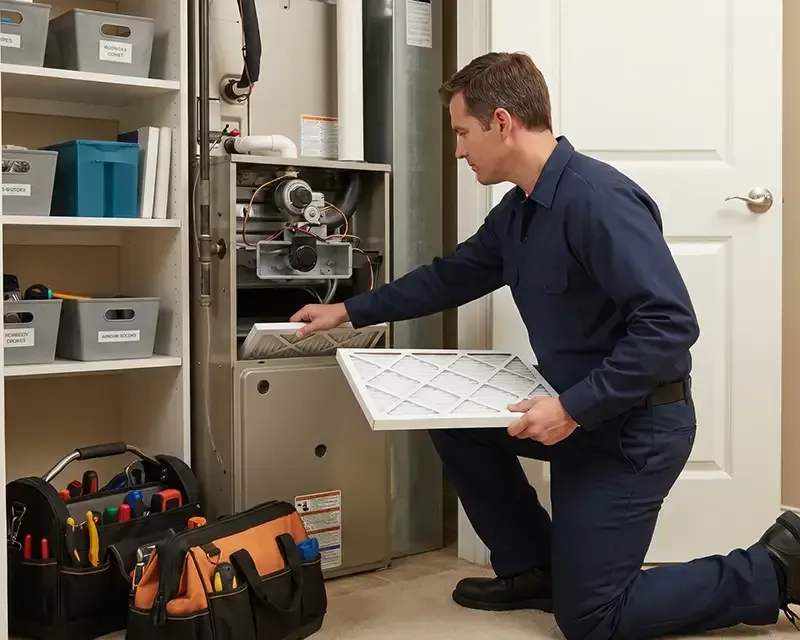
A technician assesses your heater, thermostat, ductwork or other distribution system, available installation space, and home heating requirements. The evaluation can reveal whether supporting components need repairs or modifications before new equipment is installed. - Review System Options And The Estimate
Before you approve the work, ask for an explanation of the recommended equipment, its capacity and efficiency, the installation scope, and the estimate. Confirm what is included, whether ductwork, controls, venting, or electrical work will change, and which equipment and labor warranties apply. Understanding these details can make it easier to compare options. - Prepare The Site And Install The New System
For replacement projects, the existing system is safely disconnected and removed as needed. The new equipment is installed with the necessary power, venting, gas, distribution, and control connections, depending on the equipment. Some homes need supporting modifications. - 4. Test Operation And Review Controls
After installation, the equipment should be tested for proper operation and applicable safety functions. Your technician can explain system controls, basic operating guidance, and recommended follow-up care. Installation time depends on equipment type, access, and project complexity; ask for a project-specific estimate.

Replacing A Heater Versus Installing Heat In A New Space
Replacing an existing heater may involve retaining suitable ductwork or other distribution components. Even a like-for-like replacement requires checking whether the old system was appropriately sized and whether its supporting components remain compatible.
A finished basement, addition, or remodeled area may create new heating requirements. The existing equipment might not have adequate capacity, and distribution changes or an additional system may be needed. Planning these details before walls and finishes are completed can reduce complications.
Why Professional Heater Installation Matters
Correct installation matters as much as equipment selection. Proper sizing, compatible controls and distribution, safe connections, and final performance checks all affect how reliably a system operates. The installer should also explain any changes to venting, airflow, electrical service, or other supporting components before work begins.
After a new heater is installed, ongoing care can help preserve dependable operation. Visit Heater Tune-Up & Maintenance to learn about routine service.
Heater Installation In South Jordan, Herriman, Midvale, And Nearby Areas
1st American Plumbing, Heating & Air works with homeowners across the Wasatch Front, including South Jordan, Herriman, and Midvale. We can help assess whether your current system should be replaced and what type of heater may suit your home.
Frequently Asked Questions
How do I know when it is time to replace my heater?
Frequent repairs, declining performance, uneven heating, and an aging system may suggest replacement is worth considering. A technician should assess the equipment before recommending a new heater.
What should I consider when choosing a new heating system?
Consider your home’s heating needs, available fuel or energy sources, equipment efficiency, upfront cost, compatible ductwork or other distribution systems, and comfort features.
How is the correct heater size determined for a home?
Heating load calculations account for factors such as square footage, insulation, windows, air leakage, and local weather conditions. The existing unit’s size alone should not determine the replacement.
How long does heater installation usually take?
The timeline depends on equipment type, access, removal requirements, and any necessary modifications. Your technician can give a project-specific estimate after evaluating the home.
Should I replace or repair an older heater?
An isolated, affordable repair may be reasonable for an otherwise reliable heater. Replacement becomes more compelling when breakdowns recur, major components fail, or performance and safety concerns persist.
Can a new heating system improve energy efficiency?
It can, particularly when replacing inefficient equipment, but results depend on proper sizing, installation quality, home characteristics, and operation. Lower energy bills are not guaranteed.
Other Services We Offer
(Full List of Home & Commercial Solutions)
We are a full-service plumbing and HVAC provider, offering expert solutions across all your home and commercial comfort needs.


Client Testimonials: Trusted Installation Service
Location Services
Other Areas We Serve
We provide professional Heater Installation and Water Heater Installation services throughout the entire Wasatch Front:
Ready For A Dependable New Heating System?
If your heater is nearing the end of its useful life, start with a home-specific assessment. We can review your current system, explain whether replacement is appropriate, and outline equipment and installation options so you can make an informed decision before the next cold spell.