If you’re tired of wearing three layers of wool socks just to walk into your kitchen, you’ve likely wondered: Is underfloor radiant heating right for your Utah home? As local plumbers who have spent years crawling through basements and crawlspaces during Utah winters, we’ve seen firsthand how this technology can transform a home from habitable to haven.
When the snow starts piling up on the Wasatch Front and the temperatures drop into the teens, most Utahns retreat indoors and crank up the furnace. But there’s a specific kind of chill that a standard, forced-air system just can't seem to beat—that biting cold that seeps through the soles of your feet when you step onto a tile floor in the morning.
How Underfloor Radiant Heating Actually Works
Unlike a traditional furnace that blows hot air through vents (which often ends up trapped at the ceiling while your feet stay cold), underfloor radiant heating warms the room from the ground up. Think of it like the sun warming a dark asphalt driveway on a spring day. The heat radiates upward, warming the objects and people in the room directly.
In Utah, we typically install hydronic systems. This involves laying down specialized
PEX piping underneath your flooring. We then circulate heated water through those pipes. Because water is a much more efficient conductor of heat than air, the system maintains a consistent, gentle warmth that feels incredibly natural.
Why Utah Homes are Perfect Candidates for Underfloor Radiant Heating
Our climate in Utah presents some unique challenges that make underfloor radiant heating particularly attractive.
- The High Desert Dryness: Forced-air systems pull moisture out of the air. If you already struggle with dry skin, nosebleeds, or static shocks during a Salt Lake winter, a radiant system can help. Since it doesn’t rely on blowing air, it doesn't dry out your home’s atmosphere nearly as much.
- Basement Living: So many Utah homes have finished basements that stay perpetually five degrees colder than the rest of the house. Installing radiant heat in a basement slab is the single best way to make that lower level feel like a true part of the living space rather than a cold storage unit.
- High Ceilings: If you have a room with vaulted ceilings—a staple of many homes in Draper or Park City—you know that all your expensive heat ends up twenty feet above your head. Radiant heating keeps the warmth in the bottom six feet of the room where you actually live.
Real Talk: Pros and Cons of Underfloor Radiant Heating
While this system is very popular, it isn’t a one-size-fits-all magic wand. You have to weigh the benefits against the reality of the installation.
The Benefits:
- Silence: No banging ducts or whistling vents. It’s completely silent.
- Efficiency: You can often set your thermostat several degrees lower than a forced-air system because the heat is concentrated where you are, not at the ceiling.
- Air Quality: Because there is no air movement, there’s no dust, pet dander, or pollen being kicked up and circulated through the house. This is a game-changer for allergy sufferers.
The Challenges:
- Installation Cost: The upfront cost of underfloor radiant heating is higher than that of installing a standard furnace. It is a significant investment in your home’s infrastructure.
- Thermal Lag: These systems take a while to juice up. You can't just turn it on and expect the room to be warm in ten minutes. It’s designed for consistent, steady temperatures.
Which Flooring Works Best?
If you are considering underfloor radiant heating, your choice of flooring matters. Ceramic tile and natural stone are the undisputed champions here. They conduct heat beautifully and hold onto it for a long time.
Hardwood is also an option, though you have to be careful about the type of wood and the moisture content to prevent warping. Many modern engineered woods work perfectly with radiant systems. Carpet is the trickiest because it acts as an insulator, essentially blocking the heat from entering the room, but with the right thin padding, it can still be done.
Is Underfloor Radiant Heating Worth the Investment?
When customers ask if they should pull the trigger on underfloor radiant heating, we suggest considering how long you plan to live in your home.
If this is your forever home, or the place where you plan to raise your family for the next decade, the answer is almost always yes. The comfort level is simply unmatched.
However, if you’re planning to flip the house or move in a couple of years, you might not see the full return on your investment in the sale price alone. This is an upgrade for the person living in the home, a luxury that pays dividends in cozy mornings and lower monthly utility bills over time.
Final Thoughts from 1st American Plumbing
We’ve been through enough Utah winters to know that your home should be your sanctuary from the cold, not a place where you have to huddle under blankets.
Underfloor radiant heating offers a level of comfort that a metal vent simply can't provide.
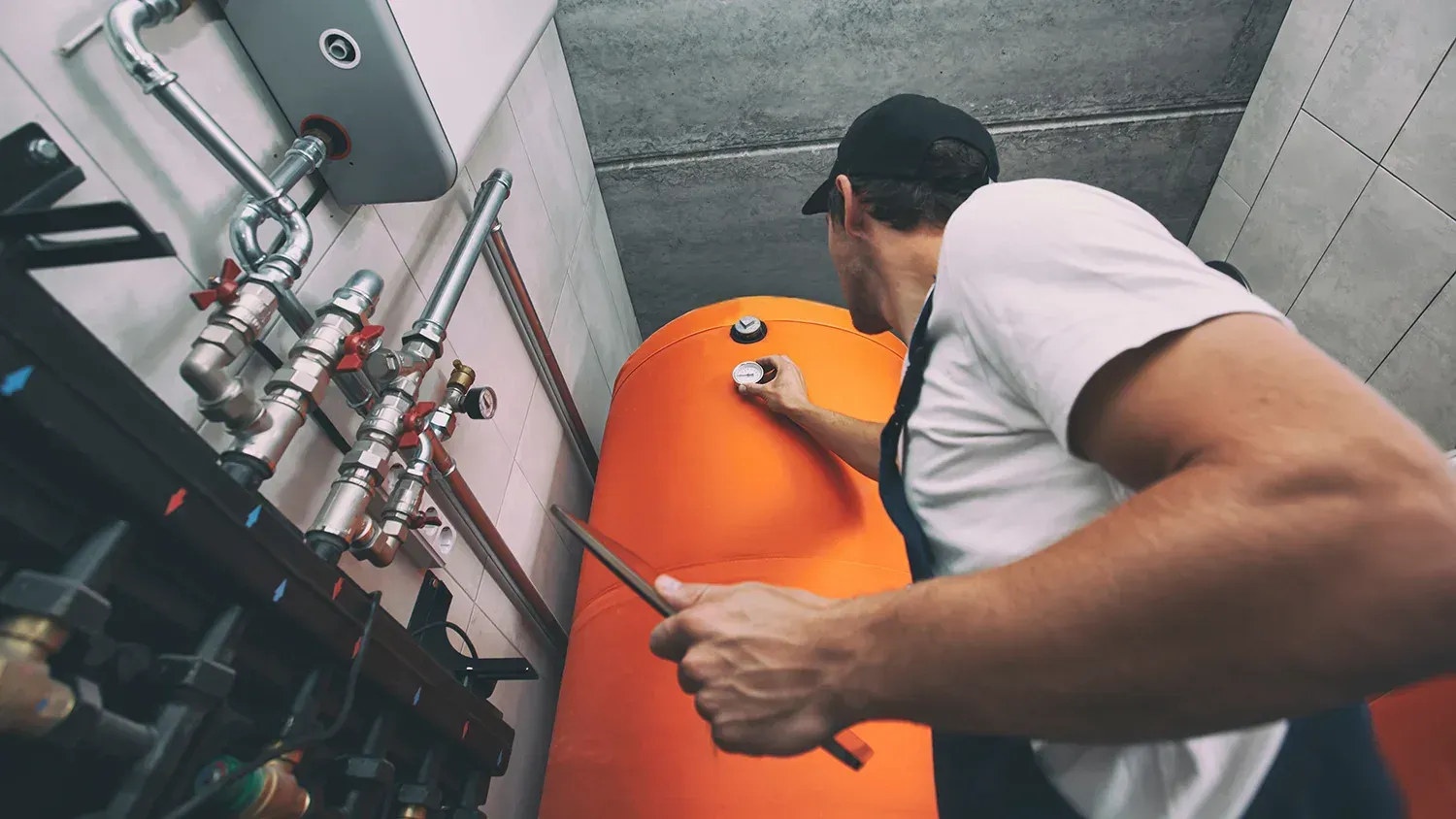
If you’re remodeling your bathroom, finishing your basement, or building from scratch in the Salt Lake Valley, give us a call. We can walk through your floor plan, look at your current boiler or water heater setup, and give you a straight-shooting assessment of what it would take to get your floors warm.
Let's make this the last winter you have to dread stepping onto the bathroom floor. Comfort is just a few pipes away.