
Holiday cooking should bring people together, not bring your kitchen to a halt. Yet every year, holiday plumbing problems show up at the worst possible moment, right when the sink is full of dishes, the trash is packed, and the garbage disposal is being asked to do too much. For Utah homeowners, Thanksgiving, Christmas, and other seasonal gatherings can put extra strain on kitchen plumbing fast. Grease, food scraps, and heavy cleanup all add up. You might hope for a holiday plot twist like in the Norwegian series Home for Christmas ( Hjem til jul ), where the main character falls for her plumber. However, real-life holiday plumbing calls are usually far less romantic and much more urgent. Addressing potential Thanksgiving plumbing problems early with the right habits can help reduce holiday drain clogs, keep your kitchen sink moving, and avoid the kind of surprise mess that interrupts the meal. Why Holiday Kitchens Put So Much Pressure on Drains and Disposals Holiday meals create more plumbing stress than a normal week of cooking. There are more pots, more pans, more guests, and usually more leftovers to rinse away. That combination makes it easier to end up with a kitchen sink clogged by grease and scraps before you notice a real problem. The biggest culprits are usually simple: Grease and oil that cool and harden inside pipes Excessive food waste washed into the drain Fibrous scraps like celery, onion skins, and corn husks Overloading the garbage disposal with too much at once Coffee grounds, starches, and peels that collect in the line These materials may seem harmless when they go down the sink, but they can combine into sticky buildup that narrows the pipe. Over time, that buildup can slow drainage, cause odors, and trigger recurring backups. That is why holiday plumbing problems often start with small warning signs before becoming an obvious clog. The Foods That Cause the Most Trouble Some holiday leftovers are especially rough on kitchen drains. Greasy turkey drippings, buttery sauces, mashed potato residue, and stuffing scraps all create problems when they are rinsed away instead of scraped into the trash. Fibrous vegetables are another common issue. Celery, asparagus, and onion skins can wrap around disposal blades and jam the unit. Starchy foods like rice and pasta can swell with water and settle into dense clumps inside the drain line. Even small amounts can matter when the sink is already under heavy holiday use. Simple Habits That Help Prevent Clogged Drains During the Holidays The easiest way to avoid holiday drain clogs is to keep food waste out of the plumbing whenever possible. A few small changes in the kitchen can make a big difference, especially during large holiday meals when the sink gets constant use. Start with grease. Never pour cooking oil, bacon fat, gravy drippings, or pan grease directly into the sink. Let it cool, then place it in a container and throw it away once it solidifies or is otherwise safe to discard. Wiping greasy pans with a paper towel before washing can also help reduce buildup in your drain. It also helps to run the sink mindfully. Use plenty of cold water when operating the disposal, and feed food scraps in small amounts rather than all at once. If your household tends to push everything through the sink during cleanup, that habit can quickly turn into a blockage. Here are a few smart prevention steps to keep in mind: Scrape plates into the trash before rinsing Catch food solids with a sink strainer Dispose of grease in a separate container Run the disposal in short bursts, not continuously Avoid sending fibrous, starchy, or expandable foods down the drain Flush the sink with water after light disposal use These habits are simple, but they are often the difference between a smooth cleanup and a holiday sink emergency. Using Your Garbage Disposal the Right Way During Big Meals A garbage disposal is useful, but it is not designed to handle every kind of food waste. During the holidays, it is easy to overload it because cleanup happens in a rush. That is when you are most likely to find your garbage disposal clogged mid-meal. The safest approach is to treat the disposal as a helper, not a trash can. Put only small amounts of soft food waste into it, and give it time to process each batch before adding more. If the motor starts to strain, slow down immediately. Forcing more food through can jam the unit or send debris deeper into the drain line. What to Do If Your Sink Drains Slowly or the Disposal Stops Working If your disposal suddenly shuts off, there are a few safe things homeowners can check before calling for help. First, turn off the switch and check whether the unit may have overheated. Many disposals have a reset button on the bottom of the unit. If it has tripped, pressing that reset may restore normal function. You can also check for a visible jam, but only if the unit is off and you follow the manufacturer’s safety guidance. Never reach into the disposal with your hand. If the unit hums but does not grind, or if it repeatedly shuts off again, there may be a deeper problem that needs professional attention. If the sink is draining slowly, check and clear the sink strainer basket of any visible surface debris, then test running cold water. For a single-basin sink, using a standard cup plunger can also help dislodge minor blockages. Avoid pouring harsh chemical drain cleaners down a slow kitchen sink. These products can damage pipes, corrode disposal components, and create hazardous splashback risks if a plumber later needs to open the trap to resolve the issue. If you are not sure whether the issue is a simple jam or part of a larger plumbing blockage, getting professional assistance can help you sort it out before the problem spreads to the rest of the sink. How to Spot Early Warning Signs Before a Small Issue Becomes a Backup Many homeowners wait until the sink is fully clogged before taking action. That approach usually makes the repair harder and more disruptive. The better move is to notice the early clues that something is wrong. A slow-draining sink is one of the first signs. So is standing water that takes longer than usual to clear after washing dishes. You may also notice gurgling sounds, unpleasant odors near the drain, or water backing up into a second basin when the disposal runs. These signs matter because they often point to buildup inside the line rather than a one-time blockage. If the drain problem keeps returning, it may be more than a simple sink issue. In that case, professional drain cleaning may be needed to clear the line more completely and help prevent the same issue from coming back during the next holiday meal. For homeowners who want to stay ahead of recurring blockages, seeking professional help can be a practical next step when the signs stop being minor and start becoming frequent. When a Kitchen Problem Is No Longer Just a Kitchen Problem A single clogged sink can sometimes be handled with basic troubleshooting. But if multiple fixtures are affected, or if the kitchen drain keeps slowing down after you clear it, the issue may be farther down the line. That is especially important during holiday plumbing problems, when the extra water and food waste can reveal an existing weakness in the system. If you notice backups in more than one drain, repeated odors, or slow drainage that returns after temporary improvement, it is time to consider professional help. That is also when professional drain cleaning becomes more relevant than a quick DIY fix. What Utah Homeowners Can Do Before Thanksgiving and Christmas The best time to prepare is before guests arrive and the cooking starts. A little prevention now can save you from a messy cleanup later. This is especially true if your kitchen already has a history of slow drains or disposal issues. Use this quick pre-holiday checklist: Test how quickly your kitchen sink drains Make sure the garbage disposal runs smoothly Remove old grease or food buildup from sink strainers Keep a trash bowl nearby for scraps during prep Remind everyone not to pour grease into the sink Have a backup plan if the drain starts slowing during cleanup If you are already seeing signs of trouble, do not wait for the holiday rush to make it worse. A plumbing check before the gathering can help you avoid an inconvenient interruption while everyone is in the kitchen. When the issue goes beyond a simple slow drain or a jammed disposal, reliable plumbing support from a trusted local team can make the difference between a stressful holiday and a smooth one. And if the problem becomes urgent after hours or during a gathering, calling for emergency plumbing repair may be the right option. Frequently Asked Questions What foods should never go down a garbage disposal? Fibrous vegetables, grease, bones, coffee grounds, eggshells, pasta, rice, and large food scraps should not go down a garbage disposal. These items can jam the unit, swell in the drain, or contribute to buildup over time. Can cooking grease clog kitchen drains? Yes. Cooking grease can coat the inside of pipes, cool into a sticky residue, and trap other debris. That is one of the most common causes of holiday drain clogs. Why does my kitchen sink drain slowly after heavy use? Heavy use often means more grease, food particles, and rinsed-off residue going into the line. Even if the sink is not fully clogged, buildup can narrow the pipe and slow the flow of water. When should I call a plumber for a clogged kitchen sink? Call a plumber if the clog keeps coming back, if multiple fixtures are draining slowly, or if the garbage disposal keeps failing. Those signs can point to a deeper problem that needs professional attention. Holiday meals should be remembered for the people around the table, not for the plumbing problem in the sink. By keeping grease out of the drain, using the disposal carefully, and watching for early warning signs, you can reduce the risk of holiday plumbing problems and keep cleanup manageable. If you want help before a small kitchen issue turns into a bigger one, contact 1st American Plumbing to schedule service and head into the holidays with more confidence.
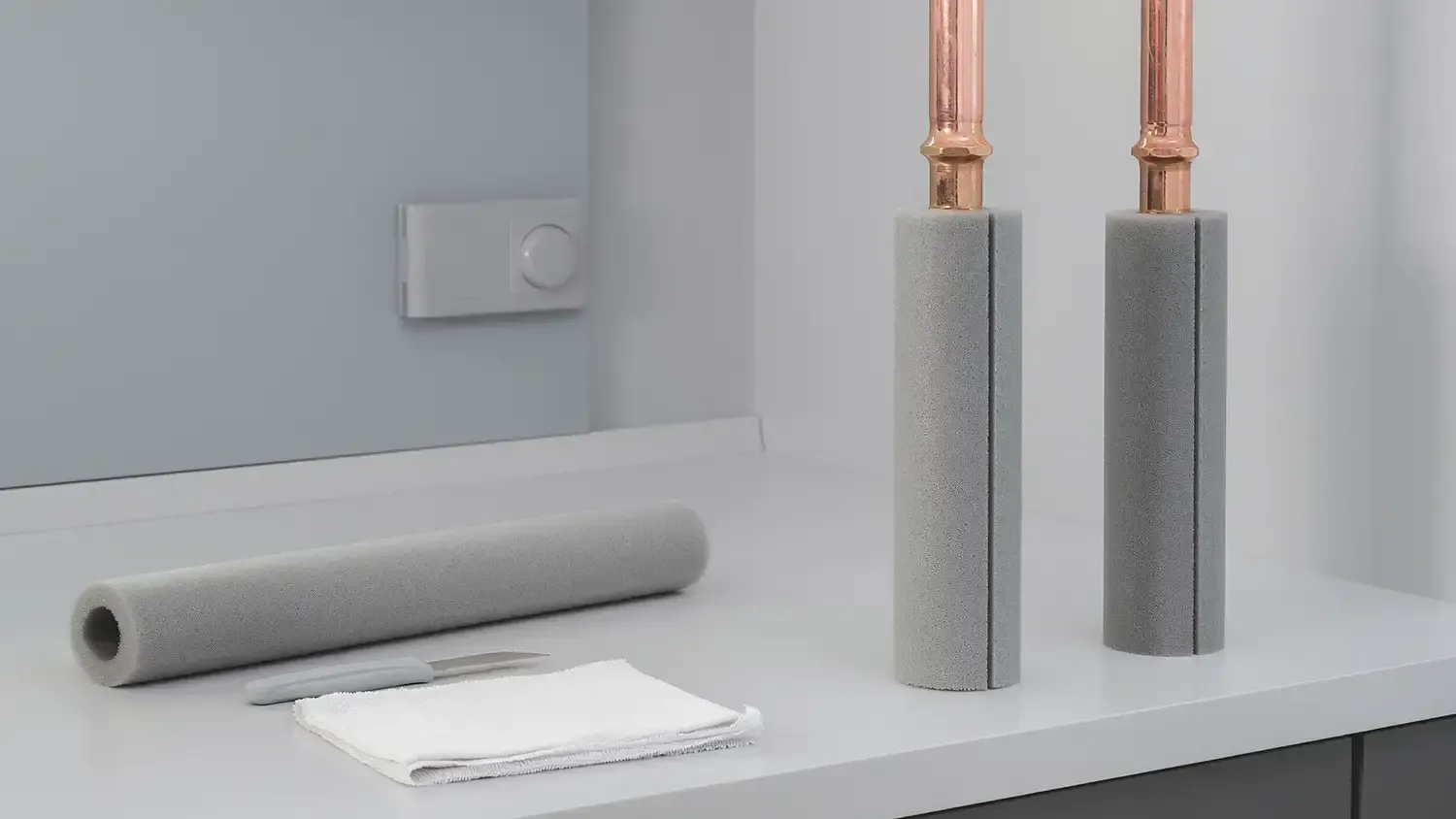
Prepare your Utah plumbing for winter with this fall checklist. Learn how to shield pipes, outdoor faucets and water lines before freezing weather arrives.
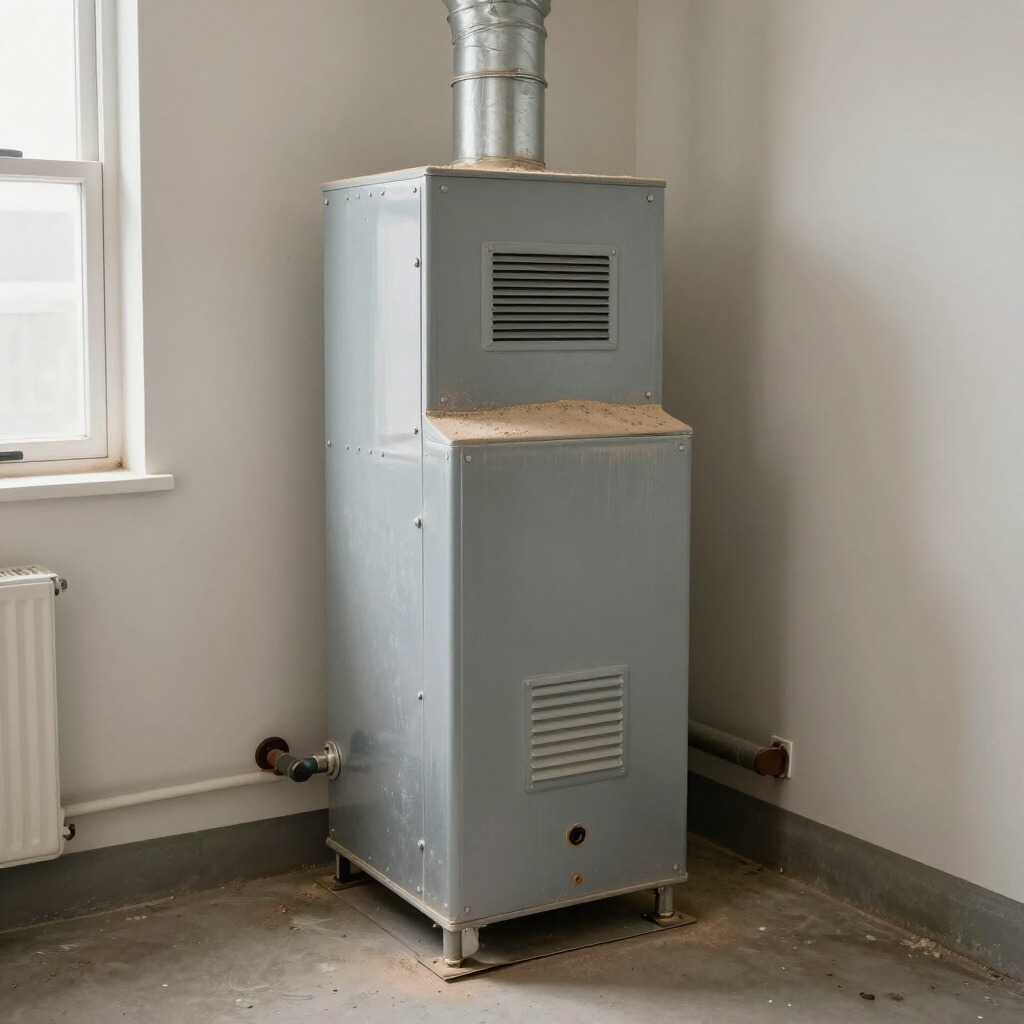
Start your furnace early in the fall so you aren't caught off guard when winter cold hits. Tune ups and repairs are a lot easier before it's an emergency.
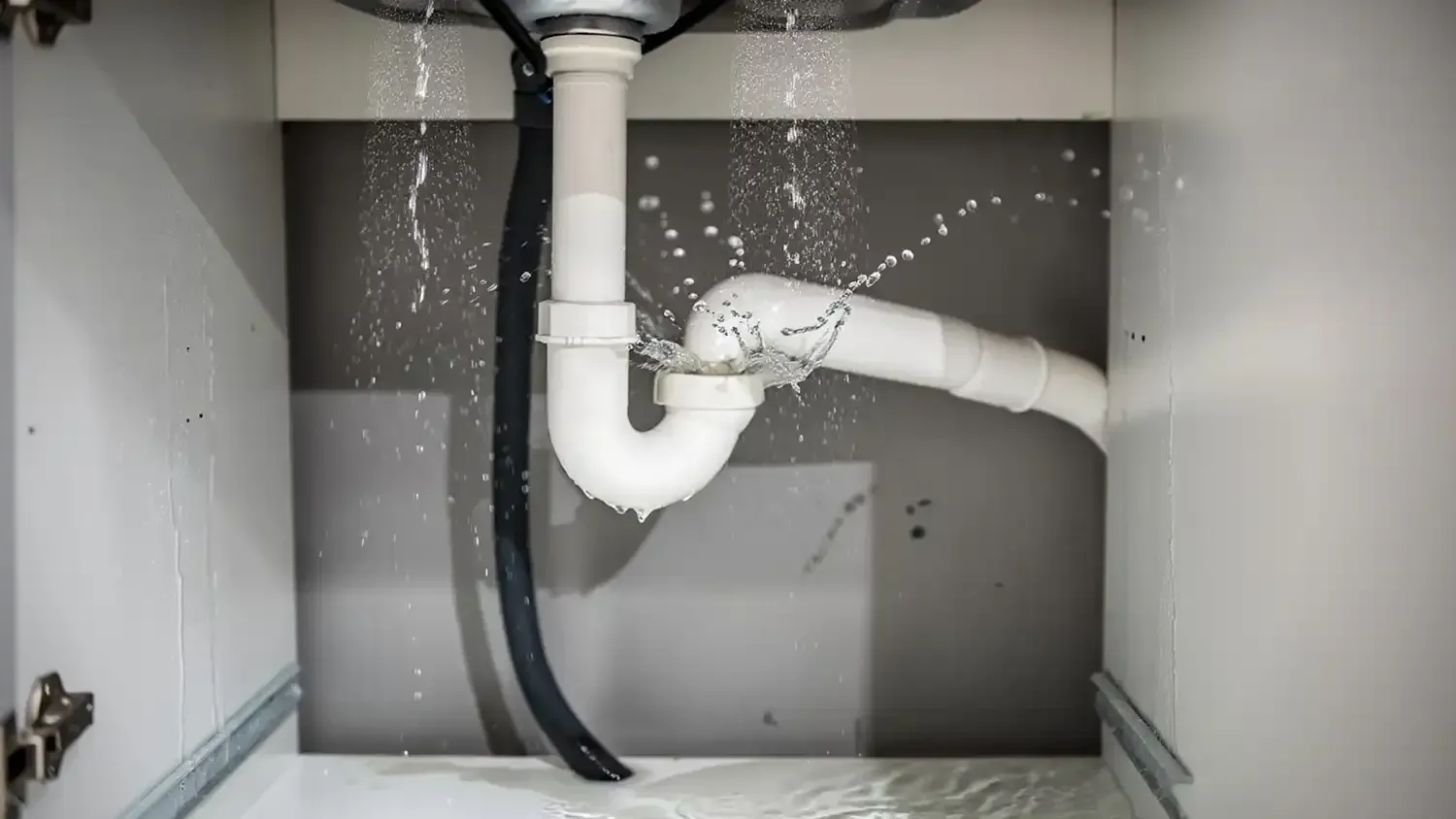
Need emergency plumbing repair in Salt Lake Valley? 1st American Plumbing offers 24/7 reliable service for homes and businesses. Protect your property now!
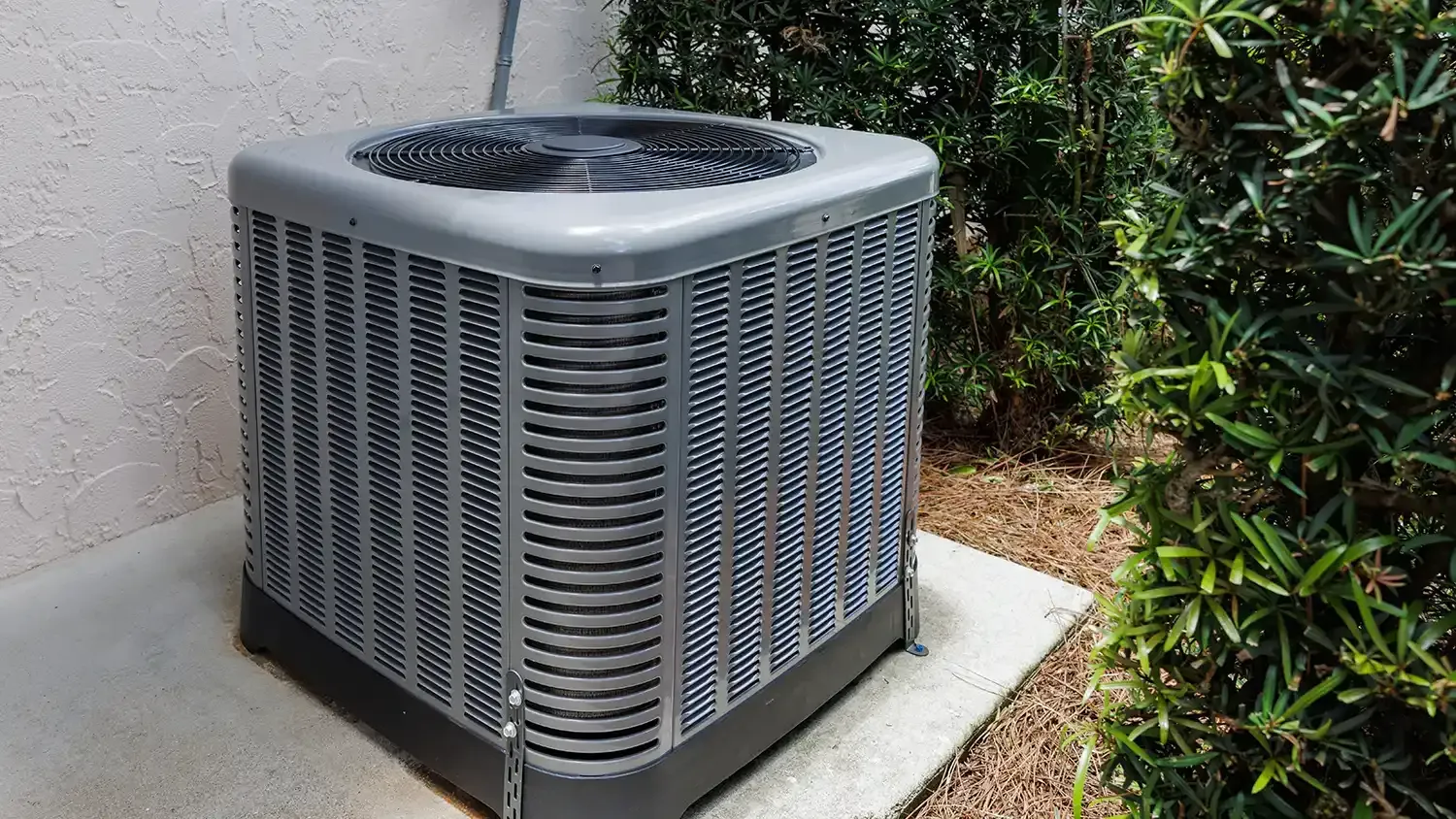
Facing a cooling failure? Trust 1st American Plumbing for fast, reliable emergency AC repair in Utah. We'll restore your comfort and protect your system.
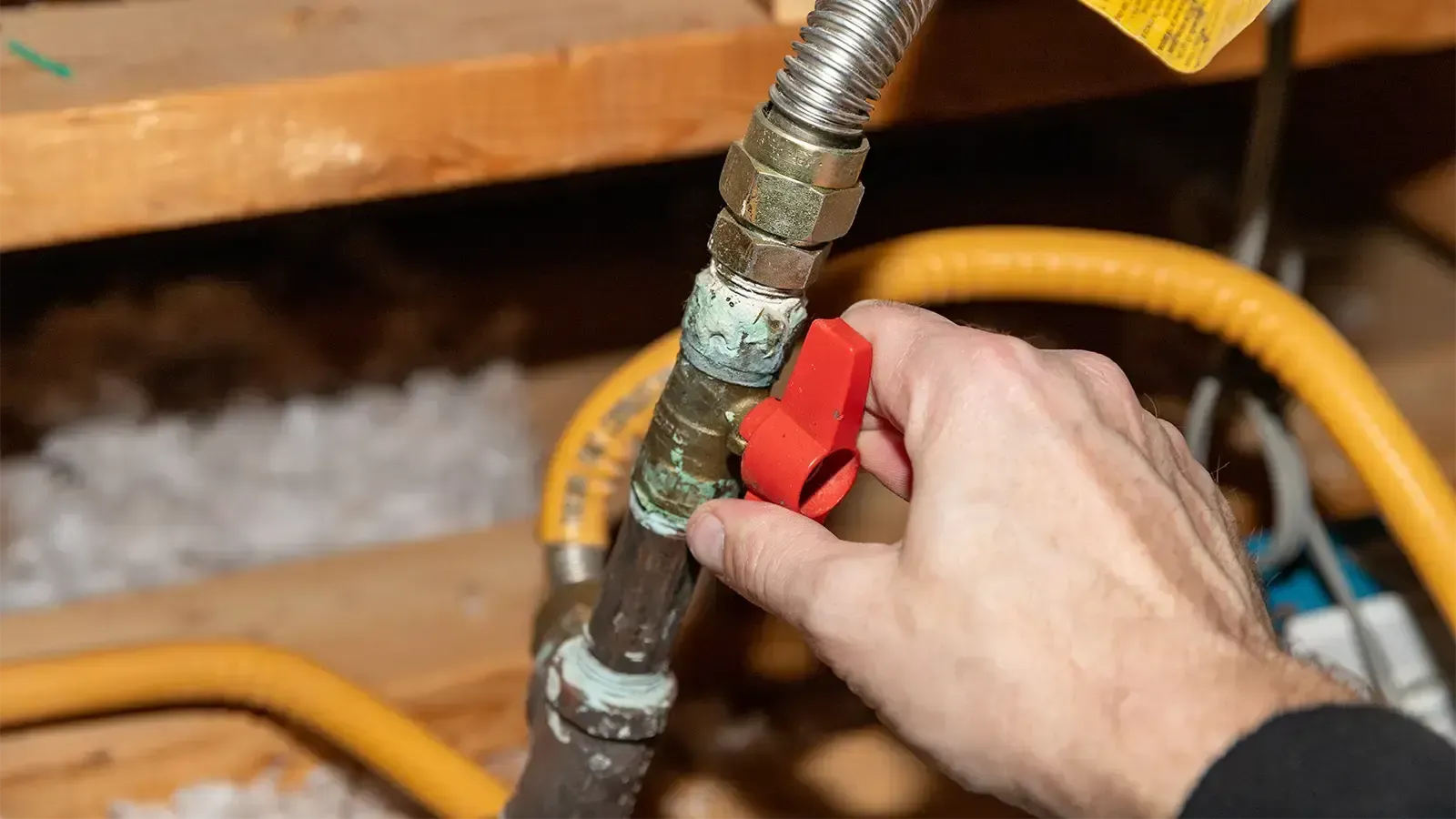
Suspect a leak? Learn the signs you need gas line repair to keep your Utah home safe. Trust 1st American Plumbing for expert, reliable gas line services.
Get the ultimate checklist for a flawless AC installation this summer. Learn about timing, preparation, technical steps, and maximizing efficiency.
Protect your business from costly disruptions with professional commercial plumbing services. 1st American Plumbing offers 24/7 emergency repairs.

Facing a plumbing crisis? Follow these crucial steps before calling for emergency plumbing repair to minimize water damage and protect your property.
Get professional heat pump services you can trust. 1st American Plumbing offers expert installation, repair, and maintenance for year-round home comfort.