
Choosing a Water Softener

Scott • March 16, 2019
Abstract waves of red and blue, possibly representing a data visualization.

Share this article

1st American Plumbing, Heating & Air Logo

Did you know that there are two types of water softeners? There are salt-based water softeners and salt-free water conditioners. Let’s talk about how each of them works. We will also share what we like and don’t like about each type of softener.


So, what does a water softener do exactly? Water naturally has minerals like calcium and magnesium in it. There are other minerals in the water. The mineral density increases if your water comes from a well. The more calcium the water carries the more you’ll see chalk-like calcium on your shower door, faucets, etc. That same calcium residue builds up on your water pipes. A traditional salt-style water softener filters out the calcium, magnesium, and other minerals.


The NuvoH20 system uses the basic scientific principle in which an organic compound binds with the minerals in the water. That makes them soluble so that they can wash down the drain. A salt-free conditioner uses chelant to bind with the minerals allowing the minerals to stay in the water instead of removing them like you would with a salt-based water softener.

Salt-Based Water Softener

Salt-based water softeners remove magnesium and calcium from your drinking water. They use an ion exchange with resin beads in the softener that are then cleaned through an ion exchange with sodium.


What we like about salt-based water softeners:


Magnesium and calcium are removed from your drinking water. In addition, you aren’t going to see scaling and spotting where hard water would hit. That means you won’t spend as much on repairing and replacing appliances. Salt-based water softer not only stops buildup it also removes current deposits.


Water from a salt-based water softener feels great on your skin and makes it easier to lather soaps and shampoos. Who doesn’t like extra lather?


One downside of salt-based water softeners is the fact that you need bags of salt. You need to haul it and store it and replace it on a routine basis. It can also be cumbersome and difficult to remember when you need to refill.


There are a few choices when it comes to salt, including: rock salt, salt pellets, or potassium pellets.


  • Rock salt may be the cheapest choice. Rock salt looks like large granular salt. There is a downside. Because they are smaller particles, there is more of a chance that salt bridging will occur. A salt bridge makes it appear that your salt tank is full but there is a gap below the salt that causes the ion exchange for cleaning to not be completed.
  • Salt pellets are usually more expensive than rock salt because they are typically more pure. Also, we recommend using pellets to decrease the likelihood of a salt bridge.
  • Potassium pellets are an option if you have an adversity to sodium. Potassium pellets can be difficult to find and are often more expensive than your other options.


Now let’s talk about salt-free water softeners, or more accurately salt-free water conditioners.

Salt Free Water Conditioner “Softener”

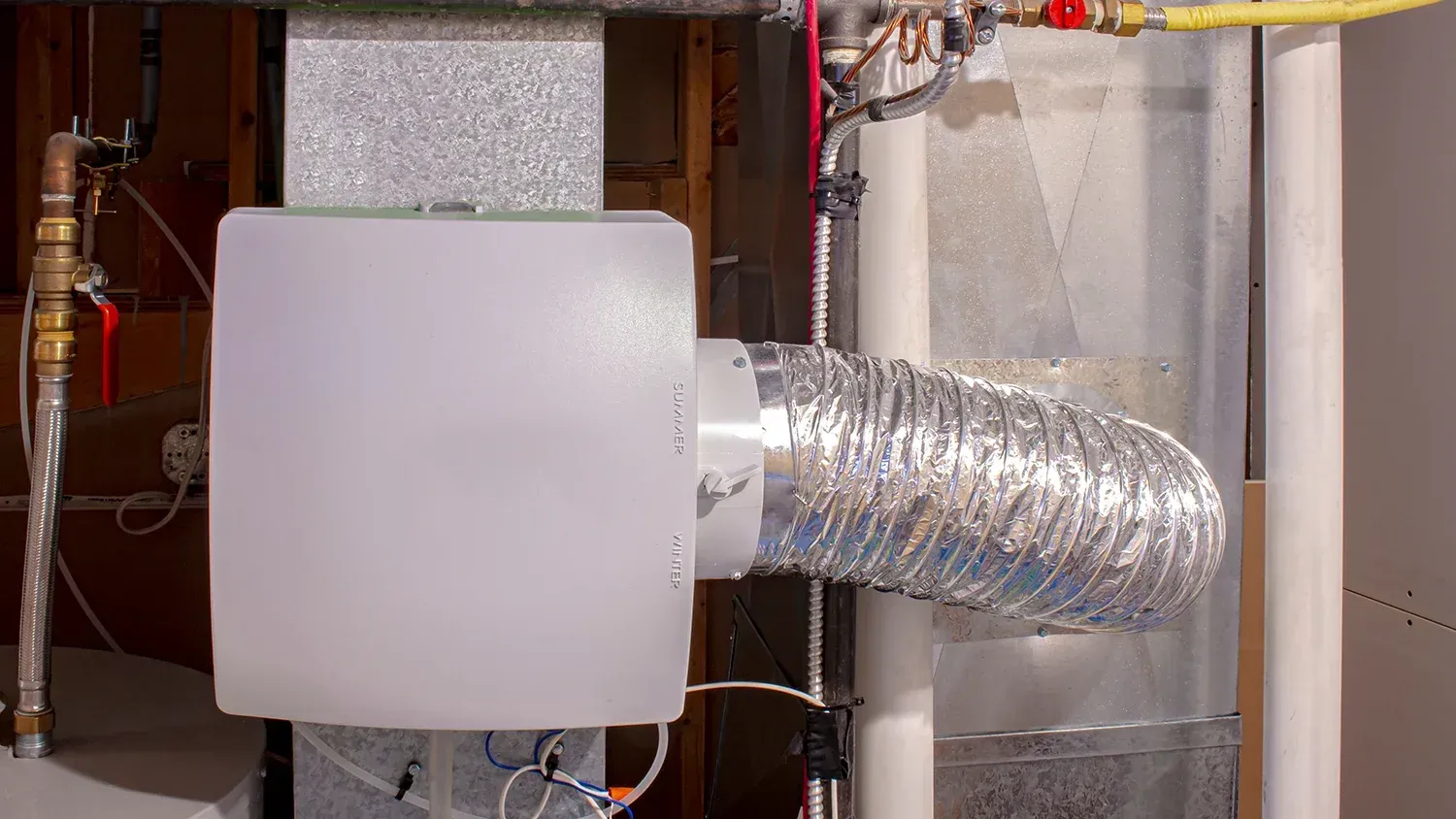
A conditioner, or salt-free water softener, reconditions the water. As the name indicates, you don’t need salt for this softener. It uses a replaceable cartridge that the manufacturer recommends be changed every six months. That’s a lot less maintenance than a salt-based water softener.


While some prefer the way the skin feels when using a salt-based water softener, others do not. You won’t have that slippery feel with a salt-free water softener.


Another benefit to this type of water softener: they are less wasteful. Salt-based softeners create wastewater (also known as brine).


You won’t see an increase in your electric bill because salt-free water softeners don’t use electricity!


The calcium and magnesium that is removed if you use a salt-based water softener stays in your water with the process of chelant. So, if you would like to keep the minerals in your water this softener may be a better choice.


One question we get is about maintenance. Are water softeners difficult to maintain? A salt-free water softener requires very little maintenance. You will have to occasionally replace the filter. The frequency of filter replacement depends on conditioner and the manufacturer’s recommendations, typically every six months. A salt-based softener will require some maintenance, including replacement of salt. Typically on a monthly basis.


If you have specific questions about maintenance or the water softeners available at 1st American Plumbing, Heating, and Air. Call us at (801) 477-5818 or fill out this form and we will contact you.

Recent Posts

Tankless Water Heater
By Gravitate One December 17, 2025
Read our blog post about Tankless Water Heaters: The Future of Efficient Water Heating for Your Home. 1st American Plumbing is expert in heating in the SLC valley.
furnace
By Gravitate One December 15, 2025
Need new furnace installation in Salt Lake or Utah County? 1st American Plumbing provides high-efficiency HVAC replacement. Get ready for winter with reliable heat.
broken sewer pipe
By Gravitate One December 5, 2025
Sewer line repair in Salt Lake, Davis, and Weber Counties. We offer expert diagnosis, hydro jetting, and trenchless pipe lining.
blue pipe
By Gravitate One December 2, 2025
Get water line repair in Salt Lake & Utah Counties. We diagnose leaks fast and offer trenchless solutions to protect your home.
Heater installation
By Gravitate One November 3, 2025
Heater installation in Northern Utah: we offer expert installation of furnaces, heat pumps & boilers for home comfort and energy efficiency.
boiler services
By Gravitate One October 30, 2025
Ensure your home's warmth with professional boiler services in Northern Utah. 1st American Plumbing offers maintenance, repair & installation
heater
By 1st American Plumbing, Heating & Air February 26, 2025
Midvale, UT, HVAC experts discuss common indications of a faulty heater needing repair.
dual port manometer and pressure switch tester
By Scott February 26, 2024
Cut utility costs with these easy tips: save on water, heating, and electricity while boosting energy efficiency. Start reducing your bills today!
frozen pipe
By Scott January 22, 2024
Prevent frozen pipes in Utah winter with 6 simple tips. Insulate, seal leaks, let faucets drip, and more to avoid costly repairs. Stay cozy and safe!
plumber at work
By Scott August 23, 2023
Uncover 7 common summer plumbing issues and expert solutions to keep your home running smoothly. From dripping faucets to sewer backups, we’ve got you covered!
Show More